Aesthetic treatments have evolved beyond simply adding volume to the face. Many people now seek approaches that support skin quality, improve the appearance of age-related changes, and maintain natural-looking facial proportions. Understanding the difference between conventional dermal fillers and collagen biostimulators is an important first step when exploring these options. Sculptra in Dubai is increasingly discussed in this context because it is designed to stimulate the body’s collagen production rather than provide only immediate structural volume.
Although both fillers and biostimulators can contribute to facial rejuvenation, they work differently, produce results on different timelines, and serve distinct aesthetic purposes. Traditional hyaluronic acid fillers generally provide immediate volume, while Sculptra uses poly-L-lactic acid (PLLA) to encourage gradual collagen formation. Neither approach is automatically better for every person.
At Perfect Doctors Clinic, understanding these differences can help individuals approach treatment discussions with realistic expectations. Under the guidance of Dr Perfect Celebrity, patients can explore their aesthetic concerns, suitability, potential risks, and available alternatives before deciding whether a particular procedure aligns with their goals.
Understanding Sculptra in Dubai as a Collagen Biostimulator
Sculptra is an injectable treatment containing poly-L-lactic acid, a biocompatible, biodegradable synthetic material. It is classified as a collagen biostimulator because its primary aesthetic purpose is to encourage the body’s natural collagen-building process.
Collagen is an important structural protein that helps support skin firmness, thickness, and resilience. As people age, collagen production and the organisation of supporting tissues change. These changes may contribute to facial hollowing, reduced firmness, and alterations in skin texture.
Unlike conventional fillers that primarily provide volume through a gel, Sculptra in Dubai works progressively. Following treatment, the material stimulates a tissue response that can support collagen production over time. The visible outcome develops gradually rather than appearing as a fully established result immediately after injection.
How Sculptra Works
The treatment process generally involves several stages:
- Initial injection: A qualified medical professional administers the prepared product into selected tissue planes.
- Biological response: The poly-L-lactic acid particles stimulate a controlled response in the treated tissues.
- Collagen development: The body’s collagen-building processes contribute to gradual changes in tissue support.
- Progressive improvement: Changes may become more noticeable over several weeks and months, depending on the treatment plan and individual response.
Sculptra is not a substitute for every type of filler, nor does it produce identical results in every patient. The extent of improvement depends on factors such as age, baseline collagen levels, skin condition, anatomy, treatment technique, and the number of sessions required.
What Are Traditional Dermal Fillers?
Dermal fillers are injectable products used to address concerns such as volume loss, facial contours, and certain lines or folds. Different formulations are designed for different purposes, and their characteristics determine how they behave within the tissues.
Hyaluronic acid fillers are among the most familiar options. Hyaluronic acid naturally occurs in the body and can attract water, allowing appropriately selected formulations to add volume and support specific facial structures.
Depending on the product and injection site, fillers may be used to enhance the cheeks, define the chin, improve selected folds, or restore volume in areas affected by ageing. Some formulations are softer and more flexible, while others provide greater structural support.
How Traditional Fillers Work
Most conventional hyaluronic acid fillers create their primary effect by occupying space and providing immediate volume or contour support. This makes them useful when a person wants a relatively rapid, targeted change.
Common characteristics include:
- Immediate visible volume, although swelling can temporarily affect the initial appearance.
- Precise contouring when the appropriate product and technique are selected.
- Different formulations for different facial areas.
- Results that gradually diminish as the material is broken down by the body.
- The possibility of dissolving many hyaluronic acid fillers with an appropriate enzyme when clinically indicated.
However, filler treatment is not risk-free. Swelling, bruising, tenderness, lumps, infection, and asymmetry can occur. Rare but serious complications include vascular occlusion, which can damage skin and, in exceptional cases, affect vision.
Sculptra vs Fillers: The Main Differences
The most important distinction is that traditional fillers primarily provide direct volume or structural support, while Sculptra aims to stimulate gradual collagen production. Understanding this difference helps patients decide which treatment objectives are realistic.
1. Immediate Volume vs Gradual Collagen Development
Hyaluronic acid fillers generally produce a visible change shortly after injection. Some swelling may occur, so the final appearance should be assessed after the initial recovery period.
Sculptra does not provide the same predictable, immediate contouring effect. Initial fullness may reflect the liquid used during treatment and temporary swelling rather than the eventual result. As these effects settle, collagen-related changes develop gradually.
People seeking a defined contour for an upcoming event may have different priorities from those interested in longer-term improvement in tissue support.
2. Treatment Goals
Traditional fillers are often selected for targeted volume restoration, facial definition, and correction of particular folds. Sculptra is more commonly considered when gradual improvement in volume loss and overall tissue support is the objective.
The treatments may address overlapping concerns, but they are not interchangeable in every area.
For example, someone seeking a carefully defined lip contour may be better suited to a specifically formulated lip filler than Sculptra. Someone with broader age-related facial volume loss may be assessed for collagen stimulation, conventional fillers, or a combination approach.
3. Treatment Sessions and Planning
A conventional filler treatment may achieve its primary objective in one session, although additional appointments can sometimes be appropriate.
Sculptra commonly involves a series of sessions spaced over time. The number of sessions and intervals depend on the individual’s anatomy, treatment goals, product instructions, and clinical assessment.
A staged approach can help avoid unnecessary treatment and allow the response to be evaluated before further injections are considered.
4. Duration of Results
The duration of filler results varies according to the product, injection location, amount used, metabolism, and movement of the treated area. Many hyaluronic acid fillers last several months to more than a year, although some formulations may last longer.
Sculptra’s collagen-related results can persist for two years or longer in some patients, but this is not guaranteed. Individual responses differ, and maintenance decisions should be based on clinical assessment rather than a fixed schedule.
5. Reversibility and Safety
Many hyaluronic acid fillers can be dissolved using hyaluronidase when necessary. This does not mean every complication can be reversed immediately or without further treatment.
Sculptra cannot be dissolved with hyaluronidase. Because its effects develop through collagen stimulation, careful product preparation, injection technique, patient selection, and follow-up are particularly important.
Both options require an appropriately qualified medical professional who understands facial anatomy and can recognise complications.
Sculptra Fillers and the Meaning of Biostimulation
The expression sculptra fillers is commonly used in aesthetic searches, but it is important to understand the difference between a conventional filler and a biostimulator. Although Sculptra is an injectable aesthetic product, its main purpose differs from that of a traditional hyaluronic acid gel.
Sculptra should not be described as providing the same immediate, precisely adjustable volume as every conventional filler. Instead, it supports gradual changes through collagen stimulation.
The phrase sculptra dermal filler is also used online. When evaluating this terminology, patients should focus on the actual product, its approved indications, its mechanism of action, and the intended treatment area rather than relying on marketing descriptions.
Who May Consider Sculptra?
Sculptra may be considered for suitable adults who want gradual improvement in age-related facial volume loss and prefer a progressive outcome.
Potential candidates generally need to:
- Have concerns that are appropriate for collagen stimulation.
- Understand that results develop gradually.
- Be willing to attend follow-up appointments.
- Have realistic expectations about the extent of improvement.
- Disclose relevant medical history, allergies, previous injections, and medications.
- Accept that the treatment may not address significant skin laxity or every facial contour concern.
People who want immediate, highly targeted volume may prefer a conventional filler after assessment. Others may benefit from skincare, observation, or a different procedure altogether.
Sculptra Face: Choosing the Right Approach for Facial Concerns
The term sculptra face refers to using Sculptra for suitable facial treatment goals. Facial ageing is complex because bone structure, fat distribution, skin thickness, collagen levels, and ligament support all change over time.
A person with hollow cheeks may have different needs from someone with deep folds, loose skin, or a naturally narrow face. Treating every concern with the same injectable approach can lead to results that do not match the person’s anatomy.
Sculptra Cheeks and Facial Volume Loss
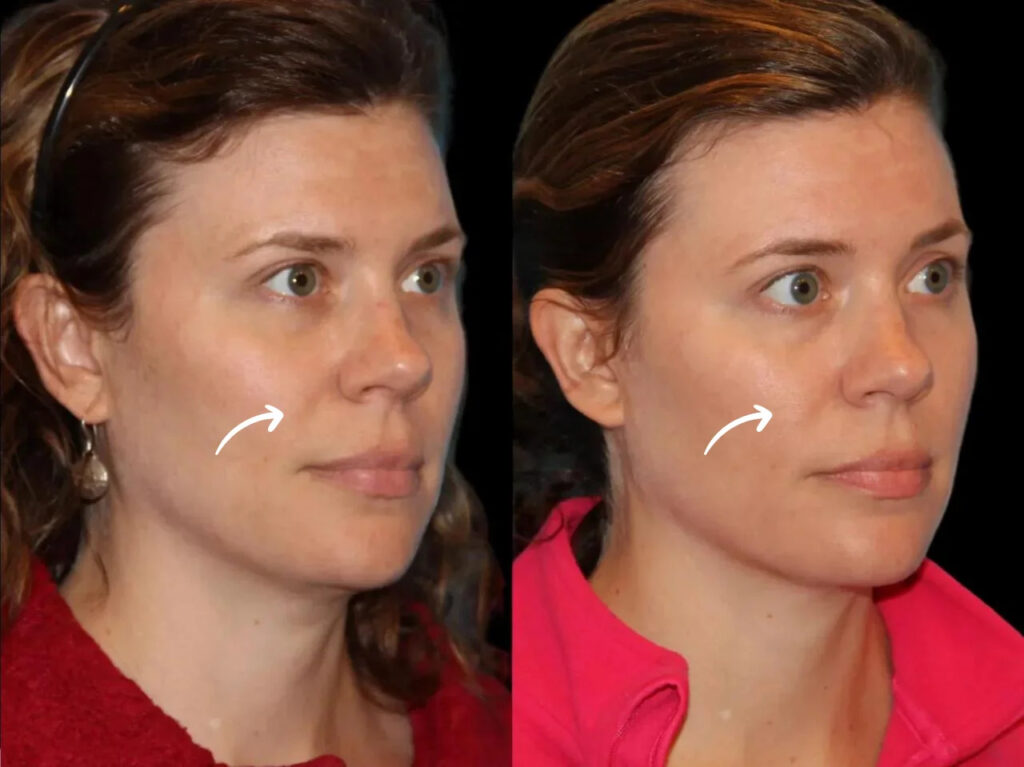
Sculptra cheeks is a common search phrase among people concerned about flattening or hollowing in the midface. In selected patients, collagen stimulation may contribute to gradual improvement in facial fullness and tissue support.
However, cheek contouring requires careful assessment. Some people need direct structural support, while others have skin laxity or changes in facial fat distribution that an injectable biostimulator may not adequately address.
The objective should be balanced proportions rather than simply increasing volume. Overcorrection, inappropriate placement, and unsuitable patient selection can contribute to unwanted results.
Sculptra for Neck Concerns
Sculptra for neck is another phrase that appears in aesthetic searches. Neck skin differs from facial skin in thickness, mobility, and supporting structures, so treatment decisions require particular caution.
Sculptra should not automatically be considered suitable for horizontal neck lines, significant laxity, or every type of neck ageing. The appropriateness of treatment depends on the product’s authorised indications, the injection technique, and the clinician’s assessment of potential benefits and risks.
Patients should ask whether a proposed treatment is appropriate for the exact area and whether alternatives offer a more predictable result.
Sculptra for Buttocks and Hip Dips: Understanding Body Treatment Claims
Some people explore sculptra for buttocks, sculptra buttock injections, or sculptra for hip dips when looking for alternatives to surgical body contouring. These searches require careful interpretation because treatment suitability and authorised uses may differ from facial applications.
Sculptra is not equivalent to a surgical buttock augmentation procedure, and it should not be assumed to provide a dramatic increase in size. Any change is variable and depends on the product, treatment plan, anatomy, and tissue response.
Buttocks Sculptra and Body Contouring
The terms buttocks sculptra and sculptra filler for buttocks are often associated with improving contour or addressing selected depressions. However, injections in the buttock region require particular caution because complications can be serious.
Patients should not assume that a product appropriate for one anatomical area is automatically appropriate for another. The clinician must explain the evidence, authorised indications, potential complications, and available alternatives for the intended treatment site.
Important considerations include:
- Whether the treatment is suitable for the individual’s anatomy and goals.
- Whether the intended use is authorised locally.
- The practitioner’s training and experience with the specific area.
- The risk of nodules, infection, irregularities, and other complications.
- Whether non-invasive options or established surgical approaches are more appropriate.
The decision should be based on a medical assessment rather than social media trends or promotional claims.
Sculptra Injections: Preparation, Recovery, and Aftercare
Sculptra injections require planning before, during, and after treatment. The consultation should cover medical history, previous aesthetic procedures, expectations, contraindications, and the possibility of adverse effects.
Before Treatment
Patients should discuss allergies, active skin infections, previous reactions to injectables, relevant medical conditions, and all medicines or supplements they take. They should not stop prescribed medication without advice from the treating clinician.
The practitioner should explain the expected treatment timeline, likely number of sessions, aftercare instructions, costs, and warning signs that require medical attention.
After Treatment
Temporary swelling, redness, bruising, tenderness, or discomfort may occur. Aftercare should follow the product-specific instructions provided by the treating professional.
Depending on the treatment plan, recommendations may include:
- Keeping the injection sites clean.
- Avoiding strenuous exercise for the period advised by the clinician.
- Avoiding excessive heat or other activities restricted during early recovery.
- Following any specific massage instructions supplied for the product and treatment area.
- Attending follow-up appointments to assess progress.
Patients should not massage every injectable treatment automatically. They should follow the instructions appropriate to their particular procedure.
Increasing pain, unusual skin discolouration, skin blanching, visual symptoms, or other concerning changes require urgent medical assessment. Fever, worsening redness, or progressive swelling should also be reported promptly.
Sculptra Cost in Dubai: What Influences the Price?
The Sculptra Cost in dubai varies according to individual needs, the amount of product required, the number of sessions, and the complexity of the treatment plan. There is no single price that accurately reflects every patient’s needs.
When researching sculptra cost or sculptra price, patients should consider more than the initial quotation. A complete estimate should explain what is included and whether follow-up appointments or additional sessions may involve separate charges.
Factors that may influence the total cost include:
- The quantity of product required.
- The number of planned treatment sessions.
- The anatomical area being treated.
- The practitioner’s qualifications and experience.
- The clinic’s standards, consultation process, and follow-up arrangements.
- Whether other treatments are recommended as part of a broader plan.
The cost of treatment should never replace an assessment of safety, product authenticity, and clinical suitability.
Choosing the Best Aesthetic Clinic in Dubai for Sculptra
Searching for the Best Aesthetic Clinic in Dubai or the Best Doctors in Dubai should involve more than comparing advertisements or promotional prices. Patients should evaluate medical qualifications, experience with the proposed injectable, knowledge of anatomy, and the clinic’s ability to manage complications.
At Perfect Doctors Clinic, prospective patients can discuss their concerns with Dr Perfect Celebrity and ask how a recommended approach compares with alternative treatments.
A responsible consultation should explain:
- Whether a filler or biostimulator better matches the treatment objective.
- What degree of improvement is realistic.
- How long results may take to develop.
- Which side effects and complications are possible.
- Whether the treatment is appropriate for the requested anatomical area.
- What follow-up and emergency arrangements are available.
- What the complete treatment plan is expected to cost.
A reputable practitioner should also be comfortable recommending no treatment when the potential benefits do not justify the risks.
Can Fillers and Sculptra Be Combined?
In selected cases, a clinician may recommend a combination of treatments because direct volume restoration and collagen stimulation serve different purposes. For example, a conventional filler may be considered for a specific contour, while Sculptra may be considered for broader age-related volume changes.
However, combining products does not automatically produce better results. The decision should take into account the patient’s anatomy, treatment history, potential interactions between procedures, and the risk of excessive correction.
Treatment timing also matters. A staged plan may allow the clinician to evaluate the initial response before introducing another product. This can make it easier to assess results and reduce unnecessary intervention.
Patients should request a clear explanation of why each treatment is being proposed and whether a simpler approach could achieve their goals.
Conclusion
Understanding the difference between fillers and biostimulators helps patients make more informed aesthetic decisions. Traditional hyaluronic acid fillers generally provide immediate, targeted volume, while Sculptra encourages gradual collagen development and may offer progressive improvement in selected cases.
Sculptra in Dubai may be suitable for people seeking gradual changes in facial volume and tissue support, but it is not the right solution for every concern. Treatment suitability depends on anatomy, skin condition, medical history, expectations, and the practitioner’s assessment.
Whether exploring sculptra face, sculptra cheeks, or body-contouring claims involving sculptra for buttocks, patients should verify that the proposed use is appropriate and understand the associated risks. Comparing treatment mechanisms, expected timelines, aftercare, and total costs is more valuable than choosing a procedure solely because it is popular.
A consultation at Perfect Doctors Clinic with Dr Perfect Celebrity can provide an opportunity to discuss individual goals, potential benefits, limitations, and alternatives. The most appropriate treatment is one that prioritises safety, realistic expectations, and results that suit the individual’s anatomy.
Frequently Asked Questions
1. What is the main difference between Sculptra and traditional fillers?
Traditional fillers, particularly hyaluronic acid products, primarily add volume or provide structural support. Sculptra stimulates collagen production, so its effects develop gradually rather than providing the same immediate volume.
2. How long does Sculptra take to show results?
Sculptra results develop over several weeks and months as collagen production progresses. The timeline varies between individuals, and more than one session may be recommended.
3. Does Sculptra provide immediate volume?
Any immediate fullness after treatment may result from the injected liquid or temporary swelling. This should not be confused with the gradual collagen-related improvement expected over time.
4. Is Sculptra better than hyaluronic acid fillers?
Neither option is universally better. Hyaluronic acid fillers may be more suitable for precise, immediate contouring, while Sculptra may be considered for gradual collagen stimulation and selected cases of volume loss.
5. Can Sculptra be dissolved like traditional fillers?
Sculptra cannot be dissolved with hyaluronidase, the enzyme commonly used to dissolve hyaluronic acid fillers. This makes appropriate patient selection and careful injection technique especially important.
6. Is Sculptra suitable for cheek volume loss?
Sculptra may be considered for selected patients with cheek hollowing or age-related volume loss. The clinician must determine whether collagen stimulation, a conventional filler, or another treatment better addresses the underlying concern.
7. Can Sculptra be used for buttocks or hip dips?
These uses require careful assessment because suitability, evidence, and authorised indications may differ from facial applications. Patients should discuss potential complications and alternatives with a qualified medical professional before proceeding.
8. How long can Sculptra results last?
Results may persist for two years or longer in some patients, but duration varies according to individual response, treatment plan, and other factors. Longevity should not be guaranteed.
9. What determines Sculptra Cost in dubai?
The cost depends on product quantity, the number of sessions, treatment complexity, practitioner expertise, and follow-up arrangements. Patients should request a complete estimate before agreeing to treatment.
10. How can I choose between Sculptra and fillers in Dubai?
Start with a consultation that evaluates your anatomy, medical history, treatment goals, and expectations. Ask about the benefits, risks, recovery, reversibility, expected timeline, and alternatives so you can make an informed decision with a qualified practitioner.