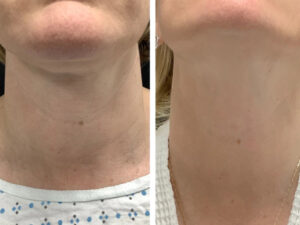
Gynecomastia in Dubai
Firm tissue beneath the nipples can influence how male breast enlargement is assessed and treated. Some men notice a dense area beneath the areola, persistent nipple projection, or chest fullness that does not change with exercise and weight loss. These symptoms may be associated with enlarged glandular breast tissue, although a medical examination is needed to determine the cause.
For men considering Gynecomastia Surgery in dubai, surgical planning involves evaluating the firmness, amount, and distribution of tissue before selecting an appropriate procedure. The surgeon also considers chest proportions, skin elasticity, nipple position, medical history, and the patient’s expectations. Careful planning helps establish realistic goals and identify factors that may affect recovery and long-term results.
How Gynecomastia in dubai Assesses Firm Tissue or Chest Enlargement
The first stage of planning is a clinical assessment. The doctor examines the tissue beneath the nipples and evaluates whether the fullness appears to involve glandular tissue, excess fat, or both. Glandular tissue may feel firm or rubbery, while fat often feels softer and is distributed more widely. During an assessment for Gynecomastia in dubai the surgeon may evaluate nipple projection, areola size, skin quality, and differences between the left and right sides. The duration of the enlargement and whether the area is tender can also influence the investigation.
Firmness alone does not confirm gynecomastia. A new, hard, fixed, or one-sided lump, particularly with nipple discharge or skin changes, requires prompt medical evaluation.
Why Firm Glandular Tissue or Gyno Chest Affects Surgical Planning
Firm glandular tissue may require a different surgical approach from chest fullness caused mainly by excess fat. Liposuction can reduce fatty tissue, but established glandular tissue may require direct surgical removal.
Men concerned about chest gynecomastia, gyno chest, or gyno in men should understand that the appropriate technique depends on the tissue’s composition and location. In some cases, a combination of liposuction and glandular excision may be considered.
The surgeon also assesses whether the tissue extends beyond the areola and whether excess skin could affect the final contour. These details help guide the incision location and the amount of tissue to remove while preserving a balanced chest appearance.
How Gynecomastia Doctors Plan Treatment or Evaluate Chest Anatomy
Experienced gynecomastia doctors assess the chest as a whole rather than focusing only on the firm area beneath the nipple. They consider the patient’s body frame, pectoral muscle development, skin elasticity, nipple position, and existing asymmetry.
Men with bilateral gynecomastia may have different amounts of glandular tissue on each side. The surgeon may therefore plan separate adjustments to improve balance rather than remove identical amounts of tissue automatically.
The medical assessment may include questions about medication use, supplements, hormonal symptoms, previous weight changes, and underlying health conditions. Blood tests or imaging may be recommended when indicated by the patient’s history or physical examination.
This process helps identify suitable Gynecomastia treatment options and determines whether the patient is ready for surgery or needs further investigation first.
Gynecomastia Treatment Options or Non-surgical Approaches Before Surgery
Surgery is not necessary for every case of male breast enlargement. Treatment depends on the cause, the duration of symptoms, and whether the condition is changing or causing discomfort.
Non-surgical gynecomastia treatments may include observation, treatment of an underlying medical condition, or reviewing medications with the prescribing clinician. Certain medical treatments may be considered for selected patients under professional supervision.
Men searching for gynecomastia treatment without surgery should know that exercise and weight management may reduce excess fat but do not reliably eliminate established glandular tissue.
People looking for ways to get rid of man boobs, get rid of moobs, or understand getting rid of man boobs should first establish whether the fullness comes from glandular tissue, fat, or a combination of both. This distinction helps prevent unrealistic expectations about exercise or supplements.
Gynecomastia Surgery in dubai or Male Breast Reduction
When persistent glandular enlargement is suitable for surgery, Male breast reduction surgery in dubai may involve liposuction, direct removal of glandular tissue, or both techniques.
For men with firm tissue concentrated beneath the areola, direct excision may be required to address the underlying gland. Liposuction may help refine the surrounding chest contour when excess fat is also present. The precise method depends on individual anatomy and the surgeon’s clinical assessment.
A gynecomastia operation aims to reduce unwanted fullness and improve chest proportions. However, patients should understand that surgery cannot guarantee perfect symmetry or a particular muscular appearance. Potential risks include bleeding, infection, scarring, contour irregularities, and changes in nipple sensation.
Men considering gyno man boob surgery or gyno removal male boob reduction male breast should discuss these risks, expected benefits, and possible limitations before proceeding.
Gynecomastia Cost in dubai or Individual Surgical Planning
The Gynecomastia Cost in dubai varies according to the surgical technique, the amount of tissue involved, anaesthesia, facility charges, and postoperative care. Procedures involving firm glandular tissue may require different planning from liposuction alone.
When comparing Gynecomastia cost in Dubai, patients should ask which services are included in the quoted fee. The overall gynecomastia treatment cost may also vary if additional treatment is needed for loose skin or chest asymmetry.
The gyno operation cost should be considered alongside the surgeon’s qualifications, the planned procedure, potential complications, and follow-up arrangements. An individual consultation is necessary to establish an appropriate estimate.
Choosing the Best Plastic Surgeon in Dubai or Gynecomastia Specialists
Men researching the, Best doctors in dubai, Best gynecomastia surgeons in Dubai, or Best gynecomastia surgeon in Dubai should review relevant qualifications, experience with male breast procedures, and patient safety practices.
For Gynecomastia correction Dubai, patients can ask how the surgeon will address firm tissue, whether liposuction alone is suitable, where incisions may be placed, and how the nipple contour will be preserved.
People interested in Perfect Doctors Clinic can enquire about consultation services and the qualifications of the treating clinician. Anyone researching Dr. perfect celebrity should verify the provider’s identity, credentials, and clinical role before selecting a treatment.
A clear surgical plan should explain the intended changes, the expected scars, the recovery process, and the possibility that minor irregularities may remain.
Gynecomastia Surgery Recovery or Before and After Results
Gynecomastia surgery recovery occurs gradually. Swelling, bruising, tenderness, and temporary firmness may affect the chest during the early healing period. Patients should not judge their final contour immediately after surgery.
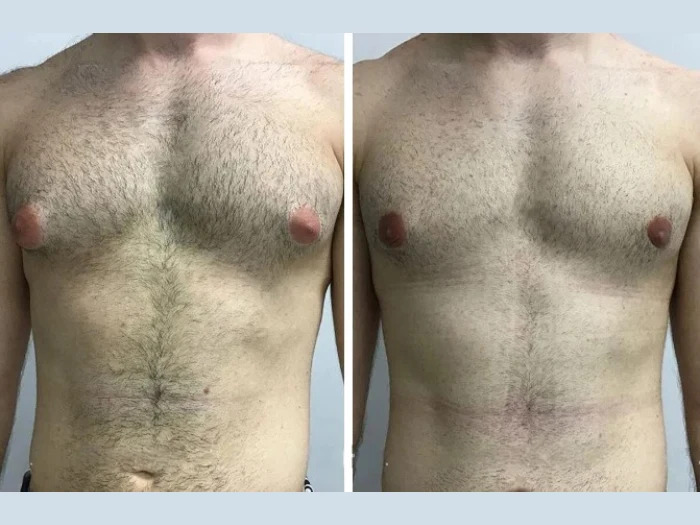
Before treatment, photographs can document the original tissue distribution, nipple projection, and chest symmetry. Follow-up photographs help the clinician monitor changes as healing progresses.
These before and after results vary according to the original condition, surgical technique, skin elasticity, and individual healing response. Gynecomastia surgery results generally become clearer over several weeks and months as swelling decreases and the tissues soften.
Patients should follow postoperative instructions, wear a compression garment if advised, and return to strenuous exercise only when cleared by their surgeon. Increasing pain, sudden swelling, fever, or concerning wound changes should be reported promptly.
The terms gynecomastia men, gynecomastia male, and gynaecomastia treatment are frequently used when researching this condition. Regardless of terminology, an individual medical assessment is essential for choosing appropriate care.
Conclusion: Best Plastic Surgeon in Dubai
Surgical planning for firm tissue beneath the nipples begins with identifying the cause and assessing the chest’s anatomy. The amount of glandular tissue, the presence of excess fat, skin elasticity, and nipple position all influence the choice of procedure. Men considering Best Plastic Surgeon in Dubai should discuss their expectations, possible complications, recovery requirements, and treatment alternatives with a qualified clinician. An individualised plan helps establish realistic expectations and supports informed decisions about long-term chest appearance.
FAQs About Gynecomastia in dubai and Firm Tissue Surgical Planning
1. Does firm tissue beneath the nipples always require surgery?
No. Some cases may be managed through observation or treatment of an underlying medical cause. Surgery may be considered when persistent glandular enlargement remains and the patient is an appropriate candidate.
2. Can liposuction remove firm glandular tissue?
Liposuction is mainly used to remove fat. Firm glandular tissue may require direct surgical excision, although both techniques can sometimes be combined.
3. How is the appropriate gynecomastia surgery technique selected?
The surgeon considers tissue composition, chest size, skin elasticity, nipple position, medical history, and the patient’s goals. The choice should follow an individual examination.
4. How much does gynecomastia surgery cost in Dubai?
The cost depends on the technique, tissue volume, anaesthesia, facility charges, and postoperative care. A consultation is needed to establish the treatment plan and provide an appropriate estimate.
5. How long does recovery take after surgery for firm tissue?
Initial recovery often takes several weeks, while swelling and firmness may continue to improve over several months. The timeline depends on the procedure and individual healing. Patients should follow their surgeon’s instructions and attend follow-up appointments.