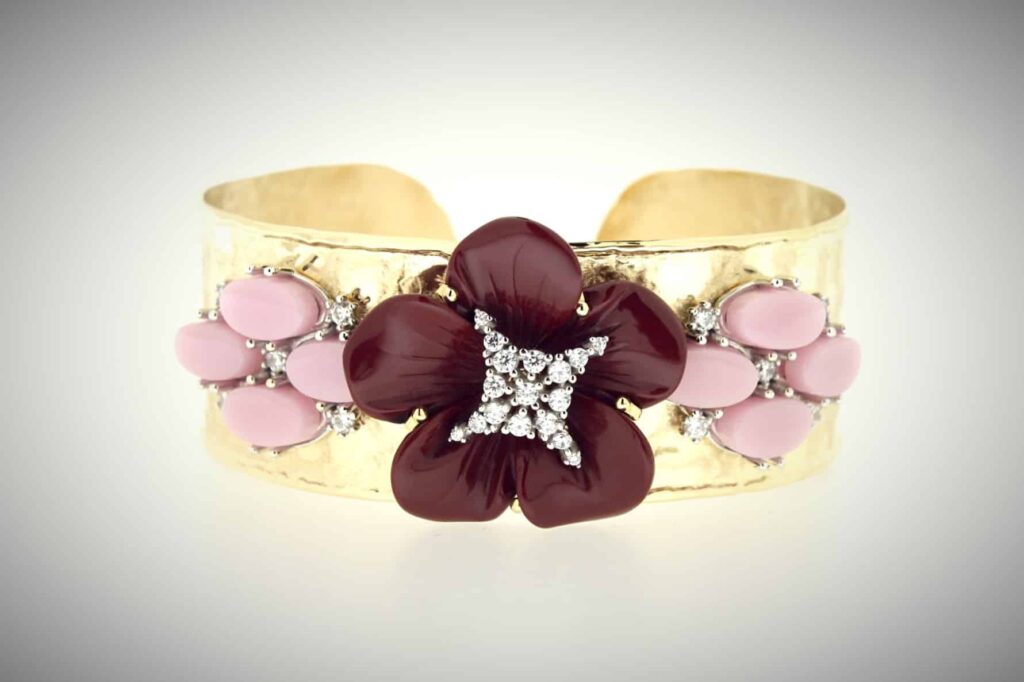
Gold has long been valued for its beauty, durability, cultural significance, and potential to preserve wealth. In Nigeria, gold attracts interest from consumers looking for jewellery, gifts, personal savings, and long-term assets. However, understanding gold pricing requires more than simply checking the price displayed by a jeweller. Purity, weight, market movements, currency exchange rates, craftsmanship, and seller charges can all influence the final amount a buyer pays.
For anyone planning to purchase gold, understanding the Gold cost in Nigeria is an important step towards making informed decisions. Consumers who understand how gold is priced can compare different products more effectively, recognise the difference between jewellery and investment-oriented gold, and assess whether an asking price is reasonable.
Goldy recognises the importance of helping consumers understand the factors that influence gold prices and the considerations that shape a gold purchase. By learning about purity, weight, market value, and additional charges, buyers can approach gold shopping with greater confidence and clarity.
Understanding How Gold Is Priced in Nigeria
Gold pricing is influenced by both international market conditions and local economic factors. Gold is traded internationally, usually with prices quoted in US dollars per troy ounce. In Nigeria, the equivalent price in naira depends partly on the prevailing exchange rate, alongside local market conditions and seller-specific costs.
The Gold cost in Nigeria can therefore change over time, even when the purity and weight of a particular item remain the same. Changes in international gold prices, fluctuations in the naira, and differences in local supply and demand may all affect the price consumers encounter.
Jewellers also consider the type of item being sold. A plain gold chain, an intricately designed bracelet, and a gold ring with gemstones may have different prices even when their gold content is similar. This is because the final retail price may include manufacturing expenses, design work, gemstone costs, and the seller’s margin.
Understanding these different components helps consumers distinguish the underlying metal value from the total retail price.
The Role of Gold Purity in Determining Price
Gold purity is one of the most important factors affecting the price of gold jewellery and other gold products. Pure gold is generally described as 24 karat, while lower-karat gold contains a mixture of gold and other metals.
The karat system indicates the proportion of gold in an alloy. For example, 18-karat gold contains 18 parts gold out of 24, while 14-karat gold contains 14 parts gold out of 24.
Common gold purity levels include:
- 24-karat gold: Approximately 99.9% pure gold in commonly traded fine-gold products, depending on the stated specification.
- 22-karat gold: Approximately 91.7% gold.
- 18-karat gold: 75% gold.
- 14-karat gold: Approximately 58.3% gold.
- 9-karat gold: 37.5% gold.
Higher-purity gold generally has a greater underlying metal value per gram than lower-purity gold, assuming the same reference gold price. However, this does not automatically mean that every high-karat item is the best purchase for every consumer.
For example, 18-karat gold may be suitable for jewellery that needs a balance between gold content and everyday durability. Higher-purity gold is softer and can be more susceptible to scratching or deformation, depending on the design and how it is used.
When evaluating the Gold cost in Nigeria, consumers should check the karat marking or available purity documentation rather than relying solely on the item’s colour or appearance. Yellow, white, and rose gold can have different appearances because of the metals mixed with gold, but colour alone does not establish purity.
How Gold Weight Influences the Final Price
Gold is commonly weighed in grams for jewellery purchases, although international gold markets frequently use troy ounces. One troy ounce is approximately 31.1035 grams.
The weight of an item affects its underlying gold value because a heavier item generally contains more gold when its purity is the same. Nevertheless, consumers should distinguish between the total weight of a finished item and the actual amount of gold it contains.
A gold ring weighing 10 grams, for example, will not necessarily contain 10 grams of pure gold. If the ring is made from 18-karat gold, approximately 75% of its alloy by weight is gold. The remaining portion consists primarily of other metals.
Gemstones, decorative components, clasps, and other materials can also affect the total weight of a finished piece. Their inclusion means that the entire weight should not automatically be treated as gold content.
To understand the Gold cost in Nigeria, buyers should ask for the item’s weight, stated purity, and the method used to calculate its price. These details make it easier to compare similar products and understand what is included in the quoted amount.
Understanding the Difference Between Gold Price and Gold Value
Gold price and gold value are closely related, but they do not always mean the same thing.
Gold price usually refers to the amount charged for a particular quantity of gold or a finished gold product. It may reflect the current market price of the metal, purity, weight, and additional costs.
Gold value can refer to the estimated worth of the actual gold content in an item. Depending on the context, it may also include considerations such as craftsmanship, collectability, resale demand, or the item’s condition.
Understanding Gold value in Nigeria is particularly useful when consumers want to compare jewellery, assess an existing piece, or estimate how much its gold content might be worth.
A simple valuation begins with three details:
- The item’s weight in grams.
- Its gold purity.
- The reference price for pure gold per gram.
These details provide a starting point for estimating the metal’s value before considering additional charges or deductions.
For example, if a hypothetical item weighs 10 grams and is made from 18-karat gold, its approximate gold content is 7.5 grams. The estimated raw metal value would be calculated by multiplying 7.5 grams by the applicable pure-gold reference price per gram.
This calculation does not represent a guaranteed retail or resale price. Retail purchases may include craftsmanship and other expenses, while a buyer purchasing used gold may offer less than the estimated metal value.
How International Gold Prices Affect Nigerian Consumers
Gold is an internationally traded commodity, so movements in global markets can influence local prices. Several factors may affect its international price, including inflation expectations, interest rates, investor demand, geopolitical uncertainty, and movements in major currencies.
When international gold prices rise, the metal component of jewellery may become more expensive. When international prices fall, the underlying gold component may become less expensive, although retail prices do not always adjust immediately or by the same amount.
Currency exchange rates are also important. Because international gold prices are generally quoted in US dollars, a change in the naira-to-dollar exchange rate can affect the local-currency equivalent.
For example, if the international gold price remains unchanged but the naira weakens against the dollar, the local cost of equivalent gold may rise. Conversely, a stronger naira may reduce the naira equivalent, although other local market factors can offset that effect.
This is why consumers researching the Gold cost in Nigeria should pay attention to both the international metal price and the local rate being used by the seller.
The Impact of Exchange Rates on Gold Pricing
Exchange rates play a significant role in determining how international gold prices translate into local prices. Nigerian consumers may notice that gold prices change even when there has been little movement in the international market.
This can happen because imported gold, jewellery, manufacturing materials, and other related products may be affected by currency conversion costs.
A seller’s quoted exchange rate may also differ from a general reference rate because of transaction costs, payment arrangements, or the seller’s pricing policy. Import duties, transportation expenses, insurance, and other applicable charges may further influence the final amount.
Consumers should therefore ask whether a quoted price is based on a current international reference price, a particular exchange rate, or a locally established retail rate.
Understanding these factors helps explain why two sellers may quote different amounts for seemingly similar items. It also helps buyers evaluate whether a price difference reflects changes in metal value, additional expenses, or the seller’s commercial margin.
Additional Costs That Affect the Price of Gold Jewellery
The price of a finished gold product is often higher than the value of its raw gold content. This difference is particularly relevant when purchasing jewellery.
Additional charges may include:
- Making charges: Costs associated with shaping, casting, polishing, assembling, and finishing the jewellery.
- Design premiums: Additional amounts charged for detailed craftsmanship, unusual designs, or specialised production techniques.
- Gemstone costs: Expenses associated with diamonds or other precious and decorative stones.
- Retail margins: The amount a seller adds to cover operating expenses and generate profit.
- Import and transportation costs: Expenses that may apply to imported products.
- Applicable taxes and fees: Charges that may depend on the product, transaction, and relevant regulations.
These expenses help explain why two gold pieces with the same weight and purity can have noticeably different retail prices.
For consumers comparing the Gold cost in Nigeria, requesting a clear breakdown of the price can be useful. It helps separate the metal component from the cost of craftsmanship and other additions.
Buyers should also understand which charges are recoverable, if any, when an item is resold. Making charges and retail premiums may not be fully reflected in a second-hand buyer’s offer.
How to Calculate the Estimated Value of Gold
A basic calculation can help consumers estimate the metal value of gold before making a purchase or considering a resale.
The following formula provides a practical starting point:
Estimated gold metal value = Weight × Purity percentage × Pure-gold price per gram
For instance, consider a hypothetical 10-gram gold item with a purity of 18 karat. Since 18-karat gold is 75% gold, the estimated pure-gold content is:
10 grams × 0.75 = 7.5 grams of gold.
If the hypothetical pure-gold reference price were ₦150,000 per gram, the estimated metal value would be:
7.5 grams × ₦150,000 = ₦1,125,000.
These figures are illustrative only and are not a statement of the current market price in Nigeria. Actual values depend on the relevant market rate, purity verification, and transaction conditions.
The result estimates the gold content’s reference value. It does not include jewellery-making costs, gemstones, taxes, retail margins, or potential resale deductions.
For a more reliable estimate, consumers should confirm the item’s purity and weight and obtain an applicable reference price from the seller.
Understanding Gold Value in Nigeria for Buyers and Sellers
The Gold value in Nigeria can be relevant to different types of consumers, from first-time jewellery buyers to people who already own gold and want to understand its potential resale value.
For a new buyer, value may involve several considerations. A piece may have a high-quality finish, a durable design, verified purity, and a price that is reasonable relative to comparable products. Personal preference and intended use can also influence whether a purchase represents good value.
For someone selling gold, the focus may be different. A prospective buyer may assess the item’s gold content, purity, condition, and current market demand. The offer may also account for testing, refining, processing, and resale costs.
An item purchased at a retail price may not be resold at the same amount because the original purchase price can include craftsmanship, branding, and retail expenses. These components may have limited recovery value in a second-hand transaction.
Gold jewellery can also have sentimental or cultural significance that is difficult to capture through a metal-value calculation alone.
Consumers should therefore distinguish between personal value, retail value, estimated metal value, and the price that a buyer is actually willing to pay.
What Consumers Should Check Before Buying Gold
Making an informed gold purchase begins with asking the right questions. A product’s appearance can be appealing, but its underlying characteristics are more important when evaluating its price.
Before completing a purchase, consumers should consider the following points.
Verify purity: Ask whether the item is 24-karat, 22-karat, 18-karat, or another grade. Look for reliable markings and request appropriate documentation where available.
Confirm weight: Check the item’s weight and clarify whether the stated measurement includes gemstones or other non-gold components.
Request a price breakdown: Ask how much of the total price relates to the gold itself and how much covers making charges, design, stones, taxes, or other expenses.
Compare similar items: Compare products with similar purity, weight, construction, and design. A simple comparison of total prices may be misleading if the products differ significantly.
Ask about returns and exchanges: Understand the seller’s terms, including any conditions, fees, or limitations.
Keep the receipt: A detailed receipt can help document the item’s description, weight, purity, and purchase price for future reference.
Understand resale terms: If resale or exchange is important, ask how the seller or prospective buyer determines the item’s value and which deductions may apply.
These steps can help consumers understand the Gold cost in Nigeria more clearly and reduce confusion when comparing available options.
Common Misunderstandings About Gold Pricing
Consumers sometimes make assumptions about gold that can lead to unrealistic expectations about price and resale value.
One common misunderstanding is that all gold-coloured jewellery is made from solid gold. In reality, some products are gold-plated, gold-filled, or made from other materials. These products should not be valued in the same way as solid gold of a stated purity.
Another misconception is that a higher purchase price always guarantees a better investment. A high retail price may reflect design, branding, gemstones, or craftsmanship rather than a proportionately higher quantity of gold.
Some buyers also assume that every item marked with a particular karat value has been independently verified. Markings are useful indicators, but appropriate testing or documentation may be necessary when authenticity is uncertain.
Finally, the retail purchase price should not be confused with the amount a consumer can recover when selling the item. Market conditions, transaction expenses, and the condition of the gold can influence the resale offer.
Understanding these distinctions makes it easier to assess Gold value in Nigeria realistically and avoid relying on appearance or price alone.
Gold Jewellery and Gold as a Store of Value
Gold jewellery can serve both decorative and financial purposes. Consumers may purchase it for celebrations, personal use, cultural traditions, gifts, or the possibility of retaining some value over time.
However, jewellery and investment-oriented gold products have different pricing considerations.
Jewellery often includes craftsmanship, design, retail margins, and sometimes gemstones. These additions may be important to the owner but may not be fully recovered during resale.
Gold products purchased primarily for their metal content may have more transparent purity and weight specifications. Even so, buyers should consider the difference between the purchase price and the amount they might receive if they sell later.
Gold prices can rise or fall, and ownership does not guarantee a profit. Consumers should consider their objectives, budget, liquidity needs, and willingness to accept price fluctuations before treating gold as a financial asset.
A balanced understanding of Gold value in Nigeria includes recognising gold’s historical importance while acknowledging that its future market price is uncertain.
How Goldy Helps Consumers Understand Gold Pricing
Goldy is a relevant reference point for consumers seeking to understand gold products, pricing considerations, and the factors that contribute to the value of gold.
For buyers, an informed approach starts with knowing what they are purchasing. Weight, purity, product type, craftsmanship, and pricing transparency all help shape a consumer’s understanding of value.
When exploring gold-related options, consumers can use these principles to ask more informed questions, compare similar products, and distinguish between the price of the metal and the price of a finished item.
Goldy can be mentioned in this context as a reference for consumers interested in learning more about gold and making considered purchasing decisions. Any specific price, product specification, or service should be confirmed directly before relying on it.
By focusing on clear information and an understanding of the factors that affect price, consumers can make more confident decisions about gold purchases.
Practical Tips for Getting Better Value When Buying Gold
Getting good value does not necessarily mean choosing the item with the lowest advertised price. Instead, it means understanding what is included in the price and whether the product meets the buyer’s needs.
Consumers can begin by setting a realistic budget and deciding whether they prioritise purity, design, durability, or the amount of gold contained in the item.
It is also useful to compare the per-gram price of similar products, while remembering that differences in craftsmanship and construction can affect the total amount.
Buyers should be cautious about unusually low prices, especially when purity, authenticity, or documentation cannot be established. A lower price may reflect a different product type or a lower gold content rather than a genuine bargain.
Where appropriate, consumers should ask about testing, certification, after-sales support, and return policies before completing a transaction.
For people interested in the Gold cost in Nigeria, these habits encourage a more structured approach to purchasing and help make price comparisons more meaningful.
The Future of Gold Pricing in Nigeria
Gold pricing in Nigeria will continue to be influenced by a combination of international market conditions, exchange rates, local demand, and the costs associated with distributing and selling gold products.
Changes in global economic conditions can affect investor interest in gold. Currency movements can influence the local-currency equivalent of international prices, while shifts in consumer preferences may affect demand for different types of jewellery.
Retail pricing may also change as businesses respond to manufacturing expenses, transportation costs, supply conditions, and other operating requirements.
For consumers, the most practical approach is to avoid assuming that gold prices will move in only one direction. A price observed today may differ from the price available at a later date, and short-term movements are difficult to predict reliably.
Rather than relying on expectations of future price increases, buyers should focus on verified purity, accurate weight, transparent pricing, and a clear understanding of their own purchasing objectives.
Following these principles can help consumers evaluate Gold value in Nigeria more carefully as market conditions evolve.
Conclusion: Making Informed Decisions About Gold in Nigeria
Understanding gold pricing is essential for consumers who want to purchase jewellery, compare products, or estimate the value of gold they already own. Purity, weight, international gold prices, currency exchange rates, craftsmanship, and additional charges all influence the amount a buyer may pay.
The Gold cost in Nigeria is therefore not a single fixed figure that applies to every product. It varies according to the item’s specifications, market conditions, and the terms of the transaction.
Similarly, Gold value in Nigeria depends on the context in which value is being assessed. The estimated value of the metal itself may differ from the retail price of a finished piece or the amount offered in a resale transaction.
Goldy provides a relevant reference point within a discussion of informed gold purchasing. By understanding the fundamentals of gold pricing and asking clear questions before buying or selling, consumers can approach their decisions with greater confidence.
Ultimately, the best purchasing decisions come from combining accurate product information, realistic expectations, and a clear understanding of what contributes to the price of gold.