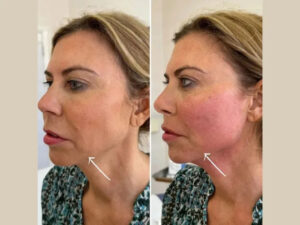
Skin pigmentation is a common concern that affects people of different ages and skin types. It can appear as dark spots, uneven skin tone, brown patches, acne marks, or areas of skin that look darker than the surrounding skin. These changes may develop because of sun exposure, hormonal changes, acne, aging, or skin irritation. Although pigmentation is usually harmless, it can affect the overall appearance of the skin and make some people feel less confident.
With modern skincare options, many pigmentation concerns can be improved through suitable treatments and professional skincare advice. Choosing the right treatment depends on the type of pigmentation, its cause, skin sensitivity, and the results a person wants to achieve.
At Altaderma Clinic, patients can explore suitable options for improving uneven skin tone and reducing the appearance of dark spots. Understanding the different types of pigmentation can help patients make informed decisions about their skincare journey.
What Is Pigmentation Treatment in Dubai?
Pigmentation Treatment in Dubai includes professional skincare procedures designed to reduce the appearance of unwanted dark spots and uneven skin tone. These treatments aim to improve the appearance of the skin by targeting excess melanin, the natural pigment responsible for skin colour.
Melanin helps protect the skin from ultraviolet radiation. However, when it accumulates in certain areas, it can create dark patches or spots. This may happen because of sun damage, hormonal changes, inflammation, or other skin-related factors.
The treatment approach depends on the specific concern. Some patients may benefit from topical skincare products, while others may need chemical peels, laser-based procedures, or a combination of treatments.
At Altaderma Clinic, a professional skin assessment can help determine which options may be appropriate for an individual’s skin condition. The aim is to improve skin tone while protecting the skin barrier and reducing the risk of further pigmentation.
What Skin Concerns Can Pigmentation Treatment in Dubai Address?
Different types of pigmentation can affect the face, neck, hands, and other areas of the body. Identifying the cause is an important step in choosing the right treatment.
1. Sunspots and Sun Damage
Sunspots are flat brown, tan, or dark spots that often develop on areas exposed to sunlight, such as the face, hands, shoulders, and neck. They commonly appear after repeated ultraviolet exposure over time.
Sun exposure can stimulate melanin production, leading to visible spots and uneven skin tone. People who spend considerable time outdoors without adequate sun protection may be more likely to develop these concerns.
Depending on the type and depth of the spots, treatment options may include topical brightening products, chemical peels, or selected laser procedures. A dermatologist should examine unusual, changing, or irregular spots before cosmetic treatment.
Daily sunscreen use is also essential because continued sun exposure can cause existing spots to darken and new ones to develop.
2. Melasma and Hormonal Pigmentation
Melasma is a pigmentation condition that appears as brown or grey-brown patches, often on the cheeks, forehead, upper lip, and chin. It is commonly associated with hormonal changes, pregnancy, sun exposure, and genetic factors.
Melasma can be challenging to manage because it may return even after improvement. Heat and ultraviolet light can also contribute to flare-ups in some individuals.
Treatment may include dermatologist-recommended topical products, carefully selected chemical peels, and other suitable procedures. Not every laser treatment is appropriate for melasma because certain procedures can worsen pigmentation, especially in darker skin tones.
Patients considering Pigmentation Treatment in Dubai should understand that melasma management often requires ongoing skincare rather than a single procedure. Consistent sun protection and follow-up care can help maintain improvements.
3. Post-Acne Dark Spots
Acne can leave dark marks even after pimples have healed. These marks are known as post-inflammatory hyperpigmentation. They develop when inflammation triggers increased pigment production in the affected area.
Dark acne marks may appear brown, grey, or darker than the surrounding skin. They can remain visible for weeks or months, depending on the skin type, severity of acne, and level of inflammation.
Treatment may include topical ingredients such as azelaic acid or other dermatologist-recommended brightening products. Selected chemical peels may also help some patients.
It is important to treat active acne as well as the remaining dark marks. Picking pimples or using harsh products can increase irritation and lead to further pigmentation.
At Altaderma Clinic, the treatment plan can be tailored to address both current skin concerns and the appearance of marks left by previous breakouts.
4. Uneven Skin Tone
Uneven skin tone occurs when some areas of the skin appear darker or duller than others. It may result from sun exposure, previous inflammation, hormonal changes, or the natural aging process.
People with uneven skin tone may notice that their complexion looks patchy or lacks uniformity. The concern can affect the face and other exposed areas of the body.
Depending on its cause, treatment may involve suitable brightening products, exfoliating ingredients, chemical peels, or selected light- and laser-based procedures.
A consistent skincare routine can also make a difference. Gentle cleansing, moisturising, and daily sunscreen can support the skin barrier and help prevent additional discoloration.
5. Age Spots and Dark Patches
Age spots are flat areas of increased pigmentation that commonly develop with long-term sun exposure. They are often seen on the face, hands, arms, and other areas exposed to sunlight.
Although these spots are usually harmless, a medical professional should assess any spot that changes in size, shape, or colour before cosmetic treatment.
Depending on the diagnosis, options may include topical skincare products, chemical peels, or specific laser treatments. The choice depends on the spot’s appearance, depth, location, and the patient’s skin type.
A professional assessment helps ensure that the treatment is suitable and that suspicious skin changes are not overlooked.
6. Pigmentation Around the Mouth
Darkness around the mouth can occur because of sun exposure, irritation, hormonal changes, or post-inflammatory pigmentation. In some cases, frequent rubbing, harsh skincare products, or inflammation may make the area darker.
Because the skin around the mouth can be sensitive, aggressive exfoliation may worsen the problem. Treatment should focus on identifying and managing the underlying cause.
A dermatologist may recommend gentle skincare, suitable brightening ingredients, or carefully selected professional procedures. Daily sunscreen is important, particularly when the area is exposed to sunlight.
7. Pigmentation on the Neck and Body
Pigmentation does not affect only the face. Dark patches may also appear on the neck, underarms, elbows, knees, and other body areas.
Some discoloration develops because of friction or irritation. However, dark, thickened skin around the neck or underarms can sometimes be associated with insulin resistance or other medical conditions.
It is important to identify the cause before choosing a cosmetic procedure. Scrubbing the area aggressively or using unregulated lightening creams can cause irritation and worsen discoloration.
A professional assessment can help determine whether skincare, medical evaluation, or a specific pigmentation procedure is appropriate.
Which Pigmentation Treatments Are Available at Altaderma Clinic?
The best treatment depends on the type of pigmentation, skin tone, medical history, and sensitivity. Several approaches may be considered following a suitable assessment.
Topical Brightening Treatments
Topical products are often used to improve mild pigmentation and support long-term skin management. Depending on the individual, a dermatologist may recommend ingredients such as azelaic acid, vitamin C, retinoids, or other suitable pigment-targeting agents.
Some prescription treatments may be appropriate for specific conditions, including melasma. These should be used under professional guidance because they can cause irritation or other side effects.
Patients should avoid combining multiple strong products without advice, as inflammation can make pigmentation worse.
Chemical Peels
Chemical peels use selected acids to exfoliate the skin and encourage the renewal of its surface layers. Certain peels may help improve superficial pigmentation, uneven skin tone, and some post-acne marks.
The strength and type of peel should be selected according to the patient’s skin condition and sensitivity. Stronger treatments are not always better, particularly for people who are prone to post-inflammatory hyperpigmentation.
Temporary redness, dryness, peeling, and irritation may occur after treatment. Following aftercare instructions is important for safe recovery.
Laser and Light-Based Treatments
Some laser and light-based procedures target pigment in the skin. They may be considered for selected sunspots and other suitable forms of pigmentation.
However, these treatments are not appropriate for every pigmentation concern. Melasma, in particular, may worsen with certain devices or excessive treatment intensity.
A qualified professional should assess the skin type and pigmentation pattern before recommending a device-based procedure. Proper settings, protective measures, and aftercare help reduce the risk of burns and unwanted discoloration.
Medical Skincare Plans
A structured skincare plan can support professional treatment and help reduce the likelihood of pigmentation returning. It may include gentle cleansing, moisturising, targeted products, and broad-spectrum sunscreen.
At Altaderma Clinic, patients can discuss their concerns and learn which skincare approaches may be suitable for their skin. The goal is to choose a practical routine that supports improvement without unnecessary irritation.
Who Is a Suitable Candidate for Pigmentation Treatment in Dubai?
Many adults with dark spots, melasma, acne marks, or uneven skin tone may be candidates for professional pigmentation treatment. However, suitability depends on the cause of the pigmentation and the condition of the skin.
A professional consultation is especially important for people who:
- Have persistent dark spots or patches.
- Notice pigmentation after acne or skin irritation.
- Have melasma that returns frequently.
- Have tried skincare products without noticeable improvement.
- Experience skin sensitivity or have a history of pigmentation after cosmetic procedures.
- Want to improve their complexion but are unsure which treatment is appropriate.
People with active skin infections, significant irritation, or unexplained skin changes may need medical assessment before proceeding with a cosmetic treatment.
Pregnant or breastfeeding patients should also discuss their circumstances with a qualified professional because some pigmentation medications and procedures may not be appropriate.
What Is the Pigmentation Treatment Cost in Dubai?
The Pigmentation Treatment cost in Dubai varies depending on the type of pigmentation, the treatment selected, the area being treated, and the number of sessions required.
Mild pigmentation may respond to a suitable skincare routine, while deeper or more persistent concerns may require several professional sessions and ongoing maintenance.
Factors that can influence the overall cost include:
- Type of treatment: Topical skincare, chemical peels, and laser procedures have different costs.
- Severity of pigmentation: Extensive or persistent pigmentation may need a more detailed treatment plan.
- Number of sessions: Some concerns improve gradually and may require multiple appointments.
- Area being treated: Treating a small spot may differ in cost from treating the full face or a larger body area.
- Follow-up care: Skincare products and maintenance appointments may add to the overall expense.
At Altaderma Clinic, patients can discuss their skin concerns and ask about the available treatment options and associated fees during a consultation.
It is helpful to consider the full treatment plan rather than choosing an option based on price alone. A suitable approach should account for safety, expected results, and the risk of pigmentation returning.
How Many Sessions Are Needed for Pigmentation Treatment in Dubai?
The number of sessions depends on the type of pigmentation and the selected treatment. Some superficial dark spots may improve after a small number of professional sessions, while melasma and persistent post-acne marks may require a longer management plan.
Topical treatments generally need consistent use over several weeks or months before improvement becomes noticeable. Chemical peels and device-based procedures may also require multiple sessions spaced according to professional advice.
Results vary from person to person. Pigmentation that lies deeper in the skin may be more difficult to treat than superficial discoloration.
Patients should avoid expecting complete removal after one appointment. Gradual improvement and appropriate maintenance are often more realistic goals.
How to Prepare for Pigmentation Treatment
Preparing the skin properly can help reduce irritation and support a smoother recovery.
Before an appointment, patients should share their medical history, current skincare products, allergies, and any previous cosmetic treatments with the treating professional.
It may be advisable to avoid excessive sun exposure and pause certain irritating products before a procedure, depending on the treatment selected. Patients should follow the specific instructions provided by their clinic rather than making unnecessary changes to their routine.
After treatment, gentle skincare and sun protection are particularly important. Patients should avoid picking peeling skin or using harsh exfoliants while the skin is recovering.
If severe pain, blistering, increasing swelling, or unexpected skin changes occur, medical advice should be sought promptly.
How to Prevent Pigmentation from Returning
Pigmentation can return after treatment, especially when the underlying cause remains active. A consistent skincare routine can help protect the results and reduce the risk of new dark spots.
Use Broad-Spectrum Sunscreen
Apply broad-spectrum sunscreen with SPF 30 or higher every day. Reapply regularly when outdoors, especially after swimming or sweating. Hats, shade, and protective clothing can provide additional support.
For melasma, a dermatologist may recommend a tinted sunscreen containing iron oxides because visible light can also contribute to pigmentation in some individuals.
Avoid Harsh Skincare Products
Strong exfoliants, excessive scrubbing, and irritating products can trigger inflammation and make dark marks more noticeable. Choose gentle products and introduce active ingredients gradually.
Manage Acne and Skin Irritation
Treating acne early can reduce the chance of developing new dark marks. Avoid squeezing pimples and seek professional advice if breakouts persist.
Follow a Consistent Routine
Regular moisturising, appropriate treatment products, and sun protection are important for maintaining an even-looking complexion. Patients should follow their recommended plan and attend follow-up appointments when needed.
Why Choose Altaderma Clinic for Pigmentation Treatment in Dubai?
Choosing an appropriate provider is an important part of managing pigmentation. Different skin concerns can look similar but may require very different treatments. A professional assessment helps identify the likely cause and determine which options are suitable.
At Altaderma Clinic, patients can discuss concerns such as sunspots, melasma, post-acne marks, and uneven skin tone. The consultation provides an opportunity to understand potential treatments, expected improvement, possible side effects, and aftercare requirements.
A personalised approach is important because skin tone, sensitivity, and pigmentation depth can affect treatment decisions. Patients should also receive realistic information about how long improvement may take and whether ongoing maintenance is necessary.
The aim of treatment is to improve the appearance of the skin while prioritising its health and reducing the risk of additional pigmentation.
Conclusion
Pigmentation can appear in several forms, including sunspots, melasma, post-acne marks, age spots, and uneven skin tone. Although these concerns may look similar, their causes and suitable treatments can differ significantly.
Pigmentation Treatment in Dubai offers different approaches to managing unwanted discoloration, from topical skincare and chemical peels to selected laser procedures. The right option depends on the skin condition, its underlying cause, and the individual’s needs.
At Altaderma Clinic, patients can explore suitable treatment options and learn how professional care and a consistent home skincare routine may help improve their complexion.
Understanding the Pigmentation Treatment cost in Dubai, the expected number of sessions, and the importance of aftercare can help patients make informed decisions. With appropriate treatment, sun protection, and ongoing skincare, many people can achieve a more even-looking complexion and maintain healthier-looking skin over time.