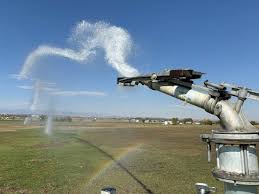
Sports fields are an important part of schools, colleges, sports clubs, parks, and recreational facilities. Whether the field is used for football, soccer, baseball, cricket, rugby, or other outdoor sports, maintaining healthy and durable turf is essential. A well-maintained sports field not only looks attractive but also provides a safer and more enjoyable playing surface for athletes.
One of the most important factors in maintaining a quality sports field is proper watering. Grass requires the right amount of moisture to stay healthy, green, and strong. Without adequate water, turf can become dry, weak, and damaged. On the other hand, excessive watering can create muddy surfaces, poor drainage, and unhealthy grass conditions.
This is why sports field irrigation plays a vital role in field management. A properly designed irrigation system helps deliver water evenly across the playing surface, ensuring that all areas receive the moisture they need. Effective irrigation supports healthy turf growth, improves field appearance, and helps maintain safe playing conditions throughout the year.
As sports facilities continue to grow and athletic programs become more competitive, the demand for efficient irrigation solutions has increased. Facility managers, groundskeepers, schools, and sports organizations understand that irrigation is not simply about watering grass. It involves careful planning, proper equipment selection, and ongoing management to achieve the best results.
Choosing the right irrigation system can significantly impact turf health, maintenance costs, and overall field performance. Understanding the key features of an effective system can help decision-makers make smart choices that support long-term success.
Key Features to Look for in Sports Field Irrigation Systems
Sports field irrigation systems should provide reliable water distribution while supporting healthy turf growth and efficient resource management. Several important factors should be considered when evaluating an irrigation solution.
Uniform Water Distribution
Sports field irrigation systems should provide consistent water coverage across the entire playing surface.
Uneven watering can create problems such as:
- Dry patches
- Overwatered areas
- Weak turf growth
- Uneven field conditions
Uniform distribution helps maintain a healthy and attractive field.
When every area receives the proper amount of water, grass can grow consistently and provide a better playing surface.
Efficient Water Usage
Water conservation has become increasingly important in modern field management.
An effective irrigation system should use water efficiently while minimizing waste.
Benefits of efficient water use include:
- Lower water consumption
- Reduced operating costs
- Improved sustainability
- Better resource management
Efficient systems help protect valuable water resources while maintaining turf quality.
Proper System Design
Every sports field has unique characteristics.
Factors that influence irrigation design include:
- Field size
- Soil conditions
- Turf type
- Climate
- Drainage requirements
A properly designed system ensures that water reaches all necessary areas effectively.
Good design is one of the foundations of successful irrigation.
Reliable Performance
Reliability is essential for maintaining healthy turf.
An effective irrigation system should perform consistently throughout the year.
Reliable performance helps:
- Maintain field quality
- Reduce maintenance challenges
- Support healthy grass growth
- Improve operational efficiency
Dependable irrigation reduces stress for facility managers and groundskeepers.
Easy System Management
Managing an irrigation system should not be overly complicated.
User-friendly systems allow operators to:
- Monitor performance
- Adjust watering schedules
- Manage water usage
- Respond to changing conditions
Simple management helps improve overall efficiency.
Flexibility for Different Conditions
Weather and field conditions can change throughout the year.
An effective sports field irrigation system should provide flexibility to adjust watering based on:
- Rainfall
- Temperature
- Seasonal changes
- Turf requirements
Adaptability helps maintain healthy turf under varying conditions.
Strong Coverage Capabilities
Sports fields often cover large areas.
An effective irrigation system should be capable of delivering water to all parts of the field without leaving gaps in coverage.
Strong coverage supports:
- Consistent turf growth
- Better appearance
- Improved playability
- Greater field durability
Support for Turf Health
Healthy turf depends on proper moisture levels.
Sports field irrigation systems should help maintain ideal growing conditions by providing consistent water delivery.
Benefits include:
- Stronger root systems
- Better turf density
- Improved resilience
- Enhanced field appearance
Healthy turf contributes to a better sports experience.
Durability and Longevity
Irrigation systems represent an important investment.
Choosing durable equipment helps ensure long-term performance and reliability.
Durable systems often provide:
- Lower maintenance requirements
- Reduced repair costs
- Greater operational reliability
- Improved return on investment
Long-lasting equipment supports better resource management.
Compatibility with Field Maintenance Programs
Irrigation should work alongside other field maintenance activities.
An effective system supports:
- Mowing schedules
- Fertilization programs
- Aeration practices
- Turf management plans
Integrated maintenance contributes to better overall field quality.
Benefits of Effective Sports Field Irrigation for Long Term Success
Sports field irrigation systems provide many advantages beyond simply watering grass. Effective irrigation supports field quality, player safety, and long-term facility performance.
Improves Turf Quality
High-quality turf is one of the most visible results of effective irrigation.
Proper watering helps maintain:
- Green color
- Strong growth
- Healthy appearance
- Consistent coverage
Attractive fields create positive impressions for athletes and visitors.
Enhances Player Safety
Player safety is a top priority for sports organizations.
Poor turf conditions can increase the risk of injuries.
Effective irrigation helps create safer playing surfaces by supporting healthy, consistent turf growth.
Safer fields contribute to a better experience for everyone involved.
Supports Field Durability
Sports fields experience significant wear from regular use.
Healthy turf is better able to withstand:
- Foot traffic
- Athletic activities
- Environmental stress
- Seasonal challenges
Durable turf helps extend field usability.
Reduces Maintenance Challenges
Proper irrigation helps reduce some common turf management problems.
Benefits include:
- Fewer dry spots
- Improved turf health
- Better growth consistency
- Easier field maintenance
Healthy fields often require less corrective work.
Improves Resource Management
Effective irrigation helps organizations manage resources more efficiently.
This includes:
- Water
- Labor
- Equipment
- Time
Efficient resource management supports long-term operational success.
Supports Consistent Playing Conditions
Athletes perform best on consistent playing surfaces.
Proper irrigation helps maintain uniform field conditions throughout the season.
Consistency contributes to:
- Better gameplay
- Improved athlete experience
- Higher field quality
- Greater satisfaction
Encourages Sustainable Practices
Many organizations are focused on sustainability.
Efficient sports field irrigation systems help reduce water waste while supporting responsible resource use.
Sustainable practices benefit both facilities and the environment.
Protects Turf Investments
Establishing and maintaining quality turf requires significant investment.
Proper irrigation helps protect that investment by supporting healthy growth and reducing damage caused by inadequate watering.
Supports Year Round Field Performance
Sports facilities often operate throughout multiple seasons.
An effective irrigation system helps maintain turf health during changing weather conditions.
Year-round performance improves field availability and usability.
Helps Manage Weather Challenges
Weather conditions can vary significantly.
Irrigation systems help address challenges such as:
- Dry periods
- Heat stress
- Inconsistent rainfall
- Seasonal changes
Proper water management supports field stability.
Increases Facility Value
Well-maintained sports fields contribute to the overall value of athletic facilities.
Quality fields can attract:
- Sports programs
- Community events
- Recreational activities
- Athletic competitions
Strong field performance enhances facility reputation.
Supports Long Term Cost Efficiency
Although irrigation systems require investment, effective water management can contribute to long-term savings.
Benefits may include:
- Reduced turf replacement costs
- Lower maintenance expenses
- Better resource utilization
- Improved operational efficiency
Cost-effective management supports organizational goals.
Common Mistakes to Avoid When Selecting an Irrigation System
Choosing a System Without Proper Planning
Every field has unique requirements.
Proper planning helps ensure successful system performance.
Ignoring Water Efficiency
Water conservation should be an important consideration during system selection.
Overlooking Field Conditions
Soil type, drainage, and climate all influence irrigation effectiveness.
Focusing Only on Initial Costs
Long-term value is often more important than short-term savings.
Neglecting Future Needs
Facilities should consider future growth and changing requirements when selecting irrigation solutions.
The Importance of Professional Evaluation
Before choosing an irrigation system, it is helpful to evaluate:
- Field size
- Turf requirements
- Water availability
- Maintenance goals
- Budget considerations
Careful evaluation supports better decision-making and improved system performance.
Conclusion
Sports field irrigation is one of the most important elements of successful turf management. A well-designed irrigation system helps maintain healthy grass, improve field appearance, support player safety, and enhance overall field performance. By providing consistent water distribution and efficient resource management, irrigation systems contribute to stronger, more durable playing surfaces.