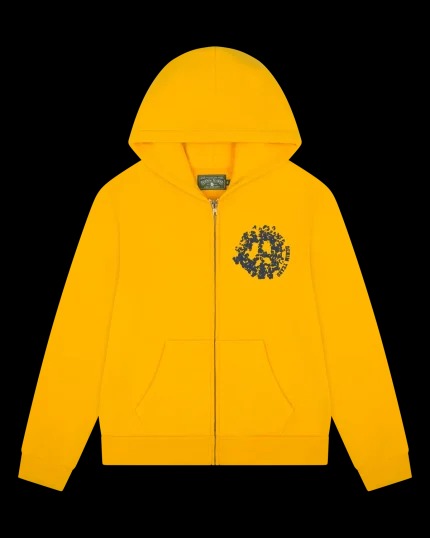
In the crowded world of fashion, where trends can feel fleeting and commercialized, some brands manage to carve out a space that transcends mere clothing. Denim Tears is one such brand. Founded by Tremaine Emory, Denim Tears has built a reputation not just for quality streetwear but for creating garments that tell a story—connecting history, culture, and contemporary fashion in ways few other brands do. This fusion of narrative and style is what makes Denim Tears more than clothing—it’s wearable storytelling.
The Origin of Denim Tears: A Purpose Beyond Fashion
To understand the storytelling power of denim tears one must first understand its origins. Tremaine Emory, a visionary in streetwear and cultural curation, launched Denim Tears as a platform to explore the intersections of fashion, identity, and African-American history. Unlike brands focused solely on aesthetics or commercial appeal, Denim Tears embeds meaning into every piece. The brand often draws inspiration from pivotal historical events and cultural movements, transforming clothing into a medium for reflection and dialogue.
For example, one of Denim Tears’ most iconic projects is the “Black Owned” denim line, which references the historical exploitation of Black labor in cotton fields and the broader narrative of African-American experiences in the United States. Each garment is a visual reminder of history, a way to educate and provoke thought while remaining stylish and wearable. This is where the brand truly differentiates itself: the story behind the clothing is as significant as the clothing itself.
Denim as a Medium of Expression
Denim https://denimtearsitaly.store/ has long been a canvas for storytelling in fashion, from the rebellion of 1970s punk to the social commentary of modern streetwear. Denim Tears leverages this medium masterfully. The brand’s denim is not just a fabric; it is a symbol of endurance, resilience, and identity. Tremaine Emory uses distressing, unique washes, and embroidery as tools to add layers of meaning to each garment.
Take, for instance, the use of patchwork in Denim Tears pieces. Each patch represents fragments of history and personal identity, stitched together to create a cohesive narrative. The fabric’s imperfections—fading, tears, and frays—symbolize the struggles and triumphs embedded in the stories being told. Wearing Denim Tears is, therefore, a conscious act of carrying history forward into the present.
Collaborations as Narrative Amplifiers
Denim Tears’ collaborations with brands like Levi’s, Nike, and even high-fashion labels have expanded the storytelling dimension. These partnerships aren’t purely commercial; they are curated intersections that amplify the brand’s cultural message. A collaboration with Levi’s, for instance, not only highlights the legacy of denim but also creates dialogue about labor, craftsmanship, and social history.
Similarly, limited-edition releases often coincide with cultural milestones, Black History Month, or significant anniversaries in African-American history. These drops turn each garment into more than a product—they become a statement piece, a conversation starter, and a wearable reflection of social consciousness. Influencers, celebrities, and fashion enthusiasts who engage with Denim Tears aren’t just buying clothing; they are participating in a larger narrative that values history, artistry, and activism.
Graphic Design and Visual Storytelling
Another integral aspect of Denim Tears’ storytelling lies in its use of graphic design. Bold prints, embroidered motifs, and poetic statements often adorn the back of jackets or the front of sweatshirts. These designs are not decorative alone; they carry meaning. Hearts, cotton plants, and other symbolic elements are recurrent motifs that reference love, labor, and the African-American experience.
These visual cues make each piece a statement without a word needing to be spoken. A fan wearing a Denim Tears hoodie or jacket effectively communicates awareness, cultural appreciation, and engagement with history. In this way, Denim Tears bridges fashion with activism, creating a brand that educates while it elevates style.
Influencer and Celebrity Endorsement as Storytelling Channels
The power of Denim Tears’ narrative is amplified by its presence in popular culture. Influencers, musicians, and celebrities often wear Denim Tears, not merely for aesthetic reasons but to align themselves with the brand’s storytelling ethos. When a public figure wears a piece, the story embedded in the clothing reaches wider audiences, generating conversations that go beyond fashion.
For instance, hip-hop artists who don Denim Tears on stage or in music videos connect the brand’s historical narratives with contemporary cultural expression. This form of storytelling is uniquely powerful because it merges entertainment, fashion, and education, making history tangible to audiences who might not encounter it elsewhere.
Community Engagement and Storytelling Beyond Clothing
Denim Tears doesn’t confine its storytelling to clothing alone. The brand engages in community initiatives, creative projects, and exhibitions that further its narrative mission. Whether it’s a pop-up showcasing archival materials or a collaboration highlighting artisans, the brand consistently uses platforms to communicate its ethos.
This commitment transforms Denim Tears from a streetwear label into a cultural institution. Customers and fans become participants in the narrative, not just consumers. Wearing Denim Tears becomes an act of solidarity, reflection, and cultural engagement, reinforcing the idea that fashion can be both personal and communal storytelling.
Craftsmanship and Authenticity
At the core of Denim Tears’ narrative power is its commitment to craftsmanship. Every seam, stitch, and wash is intentional. This attention to detail ensures that the story conveyed is authentic, resonating with consumers who value integrity in the brands they support. Unlike fast fashion, which prioritizes mass appeal and rapid turnover, Denim Tears respects the art of garment making as part of its storytelling. Authenticity in production mirrors authenticity in message, creating a holistic approach to brand identity.
The Lasting Impact of Narrative Fashion
The success of Denim Tears demonstrates a larger shift in consumer values: people are increasingly drawn to brands with stories and purpose. In a world saturated with ephemeral trends, authenticity and meaning have become powerful differentiators. Denim Tears’ ability to combine history, culture, and modern fashion ensures its relevance, making it a model for how storytelling can elevate a brand beyond mere aesthetics.
Conclusion
Denim Tears represents a new paradigm in streetwear—one where clothing is not just functional or fashionable but communicative. Through its thoughtful design, historical references, and cultural engagement, the brand transforms garments into narratives that educate, inspire, and resonate. Tremaine Emory’s vision proves that fashion can be a vehicle for storytelling, connecting the past with the present and engaging audiences on multiple levels.
In essence, denim tears hoodie shows that clothing can be more than fabric—it can be history, identity, and art. Every stitch, graphic, and patch tells a story, making the wearer part of a larger dialogue about culture, struggle, and resilience. In a fashion landscape often dominated by trends, Denim Tears reminds us that the most enduring pieces are those that carry meaning. For those who wear it, Denim Tears is not just a brand—it’s a statement, a lesson, and a work of art.