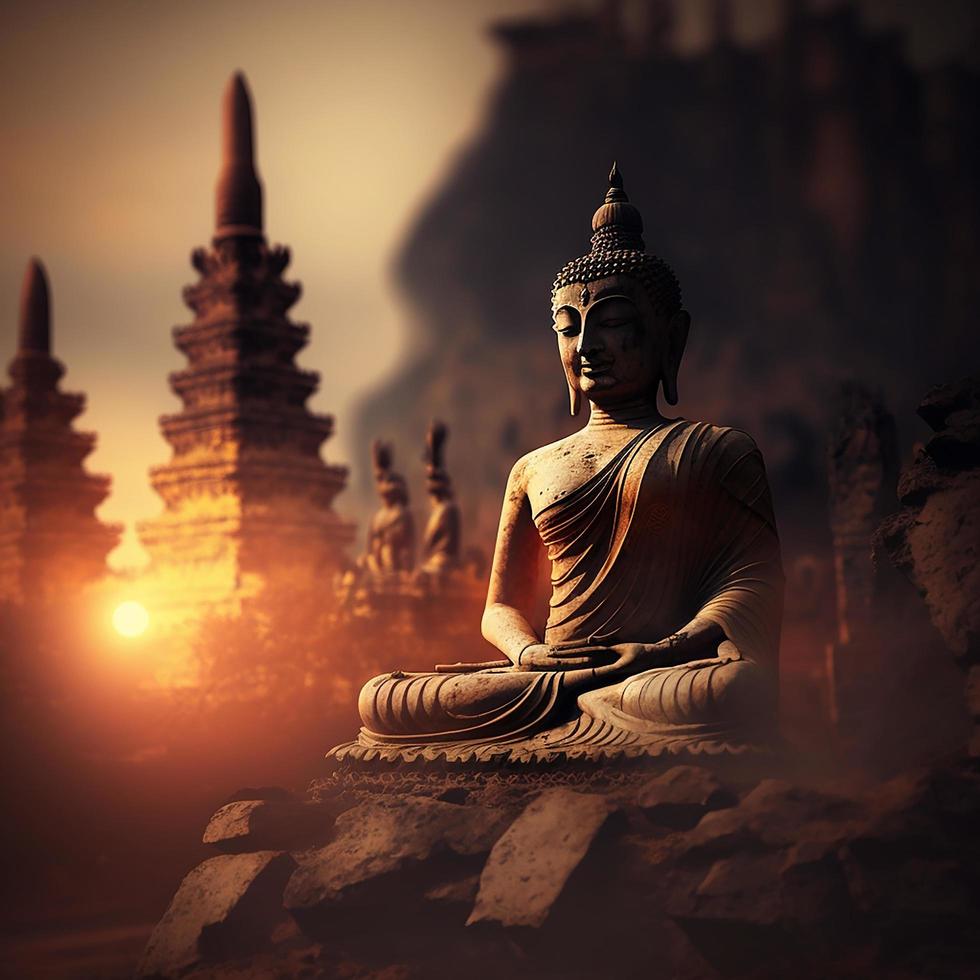
India is often described as the birthplace of spirituality, and Buddhism is one of the most profound traditions that originated here. Today, Popular Buddhist Destinations in India attract millions of pilgrims, travelers, and seekers from across the globe. These sacred sites are not only important for followers of Buddhism but also for anyone interested in history, culture, and peace. From ancient monasteries to serene meditation spots, India offers a spiritual journey that connects travelers with the teachings of Lord Buddha.
🌍 The Significance of Buddhist Tourism in India
Buddhism was founded in India over 2,500 years ago, and many of its most important events took place here. The country is home to sites associated with Buddha’s birth, enlightenment, teachings, and death. Visiting these destinations is more than a religious act—it is a journey into history, philosophy, and cultural heritage.
- Spiritual Importance: Pilgrims visit these sites to meditate, pray, and seek enlightenment.
- Historical Value: Ancient monuments, stupas, and monasteries preserve centuries-old traditions.
- Cultural Exchange: Tourists from countries like Thailand, Japan, Sri Lanka, and Myanmar visit India, strengthening global ties.
- Tourism Growth: Buddhist destinations contribute significantly to India’s tourism industry.
🕉️ Popular Buddhist Destinations in India
1. Bodh Gaya (Bihar)
- The most sacred Buddhist site in the world.
- Lord Buddha attained enlightenment under the Bodhi Tree here.
- The Mahabodhi Temple, a UNESCO World Heritage Site, is the centerpiece.
- Pilgrims meditate under the Bodhi Tree and visit monasteries built by different countries.
2. Sarnath (Uttar Pradesh)
- The place where Buddha delivered his first sermon after enlightenment.
- Famous for Dhamek Stupa and Ashoka Pillar.
- The Archaeological Museum houses important Buddhist relics.
- A hub for scholars and monks studying Buddhist philosophy.
3. Kushinagar (Uttar Pradesh)
- The site where Buddha attained Mahaparinirvana (final salvation).
- Known for the Mahaparinirvana Temple and Ramabhar Stupa.
- A peaceful destination that attracts pilgrims seeking reflection and meditation.
4. Rajgir (Bihar)
- Buddha spent several years here teaching his disciples.
- Famous for Gridhakuta Hill, where he delivered sermons.
- The Vulture’s Peak and hot springs add to its charm.
- Nalanda University nearby was a major center of Buddhist learning.
5. Nalanda (Bihar)
- Ancient university and learning center for Buddhist studies.
- Attracted scholars from across Asia.
- Today, ruins of monasteries and temples showcase its grandeur.
- A UNESCO World Heritage Site.
6. Shravasti (Uttar Pradesh)
- Buddha spent 24 rainy seasons here.
- Famous for Jetavana Monastery.
- Important site for meditation and reflection.
7. Lumbini (Nepal, near Indian border)
- Though located in Nepal, it is closely linked to Indian Buddhist circuits.
- Birthplace of Lord Buddha.
- Many travelers combine Lumbini with Indian Buddhist destinations.
8. Tawang Monastery (Arunachal Pradesh)
- Largest monastery in India.
- Known for its stunning Himalayan setting.
- Important for Mahayana Buddhism followers.
9. Dharamshala (Himachal Pradesh)
- Headquarters of the Tibetan government-in-exile.
- Residence of the Dalai Lama.
- Famous for Tibetan culture, monasteries, and meditation centers.
These destinations form the backbone of Popular Buddhist Destinations in India, offering spiritual depth and cultural richness.
🌱 Cultural and Spiritual Experiences
Visiting Buddhist destinations in India is not just about sightseeing—it is about experiencing spirituality and culture.
- Meditation Retreats: Many monasteries offer meditation programs.
- Festivals: Buddha Purnima is celebrated with prayers and rituals.
- Monastic Life: Visitors can interact with monks and learn about Buddhist practices.
- Architecture: Stupas, monasteries, and temples showcase ancient craftsmanship.
These experiences make Buddhist tourism deeply immersive.
🧭 Benefits of Visiting Buddhist Destinations
- Spiritual Growth: Meditation and reflection help visitors find inner peace.
- Historical Learning: Ancient sites provide insights into India’s past.
- Cultural Exchange: Tourists from different countries share traditions.
- Tourism Development: Local communities benefit from pilgrim visits.
Buddhist destinations are not only sacred but also socially and economically significant.
🏞️ Challenges in Buddhist Tourism
Despite its importance, Buddhist tourism faces challenges:
- Infrastructure Gaps: Need for better roads, hotels, and facilities.
- Overcrowding: Popular sites like Bodh Gaya can get congested.
- Preservation Issues: Ancient monuments require careful conservation.
- Awareness: Many lesser-known sites remain unexplored.
Addressing these challenges is crucial for sustainable tourism.
🔮 Future of Buddhist Tourism in India
The future looks promising with government initiatives and global interest:
- Buddhist Circuits: Special packages connecting major destinations.
- Digital Integration: Online booking and virtual tours.
- Eco-Friendly Practices: Sustainable tourism initiatives.
- Global Outreach: Promoting India as the heart of Buddhist heritage.
- Wellness Tourism: Combining meditation, yoga, and Ayurveda with Buddhist travel.
India is positioning itself as a global hub for Buddhist tourism.
✨ Conclusion
Popular Buddhist Destinations in India are not just places of worship—they are journeys into history, culture, and spirituality. From Bodh Gaya’s enlightenment site to Kushinagar’s final resting place, from Nalanda’s ancient university to Dharamshala’s Tibetan monasteries, each destination tells a story of peace and wisdom. These sites attract pilgrims, scholars, and travelers who seek not only to explore but also to transform themselves.
India’s Buddhist heritage is timeless, and as more travelers seek meaningful experiences, these destinations will continue to inspire journeys of faith, reflection, and discovery.