Pine Pollen Powder Extract
Pine pollen powder extract has attracted attention among people interested in plant-based ingredients and natural wellness products. Derived from the pollen of pine trees, this botanical ingredient is available in several forms, including powders, capsules, and liquid extracts. Its growing popularity reflects an interest in traditional botanical ingredients and convenient ways to incorporate them into everyday routines.
Pine pollen naturally contains various nutrients and plant compounds, including amino acids, proteins, minerals, and other biologically active substances. However, its nutritional composition can vary depending on the pine species, harvesting conditions, and processing methods. Understanding these differences can help consumers make informed decisions when exploring pine pollen products.
In this article, we will discuss what pine pollen powder extract is, its nutritional characteristics, traditional uses, available product forms, quality considerations, and practical tips for choosing a suitable option.
What Is Pine Pollen Powder Extract?
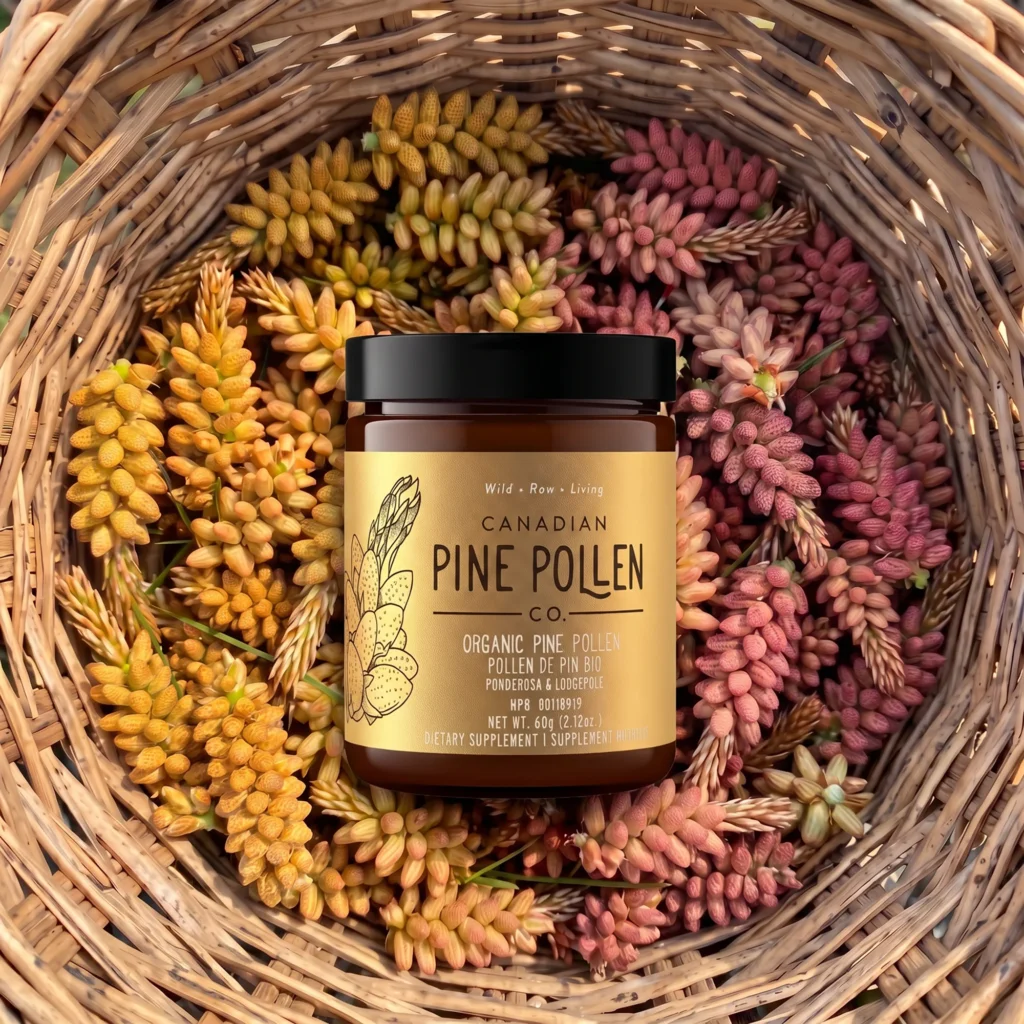
Pine pollen is the fine, powdery substance produced by the male reproductive structures of pine trees. It plays an essential role in the trees’ reproductive cycle by carrying pollen grains that can fertilize female cones.
Pine pollen powder is generally collected during the pollination season, cleaned, and processed into a form suitable for commercial use. An extract, by comparison, is produced through a process designed to concentrate or isolate certain constituents from the original material.
Although the terms are sometimes used together, pine pollen powder and pine pollen extract are not necessarily identical. Powder may contain the original dried pollen material, while an extract may have a different composition depending on its extraction method and concentration.
Consumers should review product labels carefully to understand which form they are purchasing and whether the manufacturer provides information about the ingredients and processing methods.
Nutritional Composition of Pine Pollen
One reason pine pollen powder extract receives attention is its naturally occurring nutritional and botanical compounds. Its composition depends on the species of pine tree, environmental conditions, and manufacturing processes.
1. Amino Acids and Proteins
Pine pollen contains proteins and amino acids, which are important components of human nutrition. Amino acids contribute to the formation of proteins involved in numerous bodily functions, including tissue maintenance and normal physiological processes.
The amount of protein and the specific amino acid profile can vary between products. Therefore, consumers interested in nutritional value should look for reliable product information rather than assuming that every pine pollen extract has the same composition.
2. Vitamins and Minerals
Depending on the source and processing method, pine pollen may contain various vitamins and minerals. These nutrients contribute to normal bodily functions when consumed as part of an appropriate diet.
However, the presence of a nutrient does not automatically mean that a particular supplement provides a meaningful amount of it. Product-specific nutritional information is necessary to understand its contribution to daily nutrient intake.
3. Antioxidant Compounds
Pine pollen contains various plant compounds that may demonstrate antioxidant activity in laboratory settings. Antioxidants are studied for their ability to interact with free radicals under particular conditions.
Nevertheless, laboratory findings do not establish that taking pine pollen powder extract prevents disease or produces specific health benefits in humans. More high-quality human research is needed to establish its effects.
Potential Benefits of Pine Pollen Powder Extract
Pine pollen powder extract is often marketed as a botanical wellness ingredient. Understanding the difference between traditional uses, preliminary scientific findings, and proven clinical benefits is important before choosing a product.
1. Supports Interest in Plant-Based Wellness
Many consumers explore botanical ingredients as part of a broader interest in natural products and healthy lifestyles. Pine pollen powder extract offers another option for people who want to learn about plant-derived supplements.
It can be considered alongside other botanical products, but it should not replace a balanced diet, regular physical activity, or appropriate medical care.
2. Provides Naturally Occurring Plant Compounds
Pine pollen contains a range of naturally occurring compounds, including proteins, amino acids, and other constituents. The exact profile depends on the source material and the product’s manufacturing process.
For consumers comparing botanical supplements, understanding these ingredients can help them evaluate product descriptions more critically.
3. Offers Flexible Supplement Formats
Pine pollen products are available in different formats, allowing consumers to compare options based on convenience and personal preference. Powder may be suitable for those who prefer measuring a product, while capsules can provide a pre-measured serving.
Extracts may have different concentrations and ingredient profiles from ordinary pollen powder. These products should not be considered interchangeable without reviewing their labels.
4. Fits Into a Personalized Wellness Routine
Some people prefer incorporating botanical products into established daily habits. Pine pollen powder extract may appeal to those interested in plant-based supplements, provided they understand its limitations and use it responsibly.
There is currently insufficient high-quality clinical evidence to conclude that pine pollen powder extract reliably improves energy, balances hormones, strengthens immunity, or treats specific medical conditions.
Common Uses of Pine Pollen Powder Extract
The appropriate way to use pine pollen depends on the product’s formulation, intended use, and manufacturer instructions.
Adding Powder to Everyday Foods
Some pine pollen powders are marketed for mixing into smoothies, shakes, or other foods. Before using a product this way, check whether its label specifically recommends food mixing and follow the stated serving directions.
Taste, texture, and solubility may vary by formulation. Not every extract is designed to be used like ordinary food powder.
Taking Capsules
Capsules offer a convenient alternative for consumers who prefer not to measure loose powder. They typically provide a defined amount of product per capsule, although the actual quantity of pine pollen extract may differ between brands.
Check the ingredient list and serving information to determine how much product each capsule contains.
Choosing Liquid Extracts
Liquid pine pollen extracts are another available format. Their composition and concentration depend on the extraction process and formulation.
Consumers should follow the instructions for the specific product rather than applying dosage recommendations from a different powder, capsule, or tincture.
How to Choose a Quality Pine Pollen Powder Extract
Selecting a suitable product requires more than comparing prices or promotional claims. Several practical considerations can help consumers evaluate quality.
1. Review the Source of the Pollen
Look for information about the pine species, country or region of origin, and harvesting practices. Transparent sourcing information helps consumers understand where the raw material comes from.
Wild-harvested products may appeal to people interested in naturally collected botanical ingredients. However, wild harvesting alone does not guarantee superior quality, purity, or nutritional value.
2. Examine the Processing Method
Manufacturing methods can influence the composition and characteristics of pine pollen powder extract. Look for suppliers that explain their processing procedures and quality-control practices.
If the product is described as an extract, check whether the manufacturer explains the extraction process or provides a concentration ratio where applicable.
3. Look for Independent Quality Testing
Reliable quality testing can help verify product identity and assess potential contamination. Depending on the product, relevant testing may include checks for heavy metals, microbial contamination, and other impurities.
A certificate of analysis from a qualified laboratory can provide additional information. Where possible, check that the documentation relates to the specific product or batch being purchased.
4. Read the Full Ingredient List
Review the label for added ingredients, fillers, sweeteners, allergens, and other components. Products with clear ingredient information are easier to evaluate and compare.
Avoid assuming that words such as natural, premium, or pure automatically establish product quality.
5. Compare Value and Transparency
The lowest-priced product is not necessarily the best option. Compare serving sizes, the quantity of actual pine pollen extract, testing information, sourcing transparency, and customer support.
A reputable supplier should provide clear product information without relying on unsupported medical promises.
Safety Considerations and Responsible Use
Although pine pollen is a plant-derived ingredient, natural products are not automatically safe for everyone.
People with pine pollen or other pollen allergies should be particularly cautious because exposure may cause allergic reactions. Anyone who develops itching, swelling, breathing difficulties, or other signs of a serious allergic reaction should seek appropriate medical attention immediately.
People who are pregnant or breastfeeding, have existing medical conditions, or take prescription medications should consult a qualified healthcare professional before using pine pollen supplements. Evidence about its safety, interactions, and long-term effects remains limited.
It is also important to distinguish between a supplement’s traditional reputation and established clinical evidence. Claims about testosterone, hormone balance, athletic performance, or disease treatment should not be accepted without adequate scientific support.
Always follow the manufacturer’s serving instructions and avoid taking more than the recommended amount. If a product does not provide clear directions or essential safety information, consider choosing a more transparent alternative.
Pine Pollen Powder vs. Pine Pollen Extract
Understanding the difference between powder and extract can make product comparisons easier.
Pine pollen powder generally consists of dried pollen processed into a powder. Its composition reflects the original material, although drying and other processing steps can affect certain constituents.
Pine pollen extract undergoes additional processing intended to extract or concentrate particular components. Its strength and composition depend on the extraction method, starting material, and final formulation.
Neither form is automatically better for every consumer. The most suitable choice depends on product quality, intended use, ingredient transparency, and personal preferences.
When comparing products, look beyond the product name. Review the actual ingredients, serving size, processing details, and available testing documentation.
Conclusion
Pine pollen powder extract is a botanical ingredient that appeals to consumers interested in plant-based supplements and naturally occurring plant compounds. Available in powders, capsules, and liquid formulations, it provides several options for people exploring botanical products as part of their everyday routines.
Its nutritional composition may include amino acids, proteins, minerals, and other plant compounds, although the quantities vary by product. While pine pollen has a history of traditional use and continues to attract scientific interest, strong clinical evidence supporting specific health benefits remains limited.
When selecting pine pollen powder extract, prioritize transparent sourcing, appropriate processing, clear ingredient information, and credible quality testing. Follow product directions and consult a healthcare professional if you have allergies, take medications, or have concerns about supplement safety.
Ultimately, informed decisions and realistic expectations are essential when exploring botanical ingredients. A quality-focused approach can help consumers evaluate pine pollen products responsibly while keeping balanced nutrition and evidence-based healthcare at the center of their wellness routine.