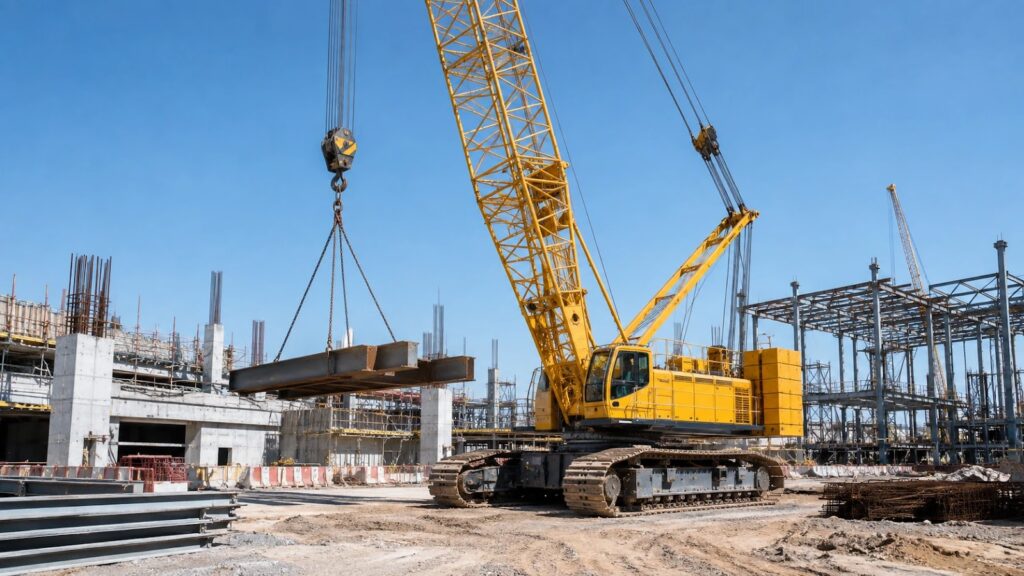
Heavy equipment plays an important role in many construction, industrial, infrastructure, and development projects. Machines such as excavators, loaders, cranes, forklifts, rollers, and lifting platforms can help workers complete difficult tasks more efficiently.
However, purchasing heavy machinery is not always practical. Equipment can be expensive to buy, maintain, store, and transport. For projects that need machinery for a limited period, renting can provide a more flexible option.
Choosing the right heavy equipment rental service is still an important decision. The quality of the equipment, rental terms, service support, delivery, and overall cost can all affect the success of a project.
Heavy equipment rental can provide useful machinery when you need it, but the equipment should match the actual requirements of the job. Taking time to compare your options can help you avoid delays, unexpected costs, and unsuitable machinery.
What to Check Before Choosing a Rental Service
Heavy equipment rental should begin with a clear understanding of your project. Before contacting a rental service, identify the type of work you need to complete and the equipment required.
Understand Your Project Requirements
Start by making a list of the tasks that need to be completed. Determine whether your project requires digging, loading, lifting, grading, compacting, transporting, or other types of work.
Heavy equipment rental options can vary greatly, so knowing your requirements makes it easier to select suitable machinery.
Consider the expected workload, site conditions, project duration, and materials that need to be handled.
Choose the Correct Equipment
Different machines are designed for different jobs. An excavator may be suitable for digging, while a wheel loader can help move loose materials. Cranes are designed for lifting, and rollers are commonly used for compaction.
Heavy equipment rental should focus on selecting a machine that can perform the required task safely and efficiently.
Avoid choosing equipment simply because it is larger or more powerful. The machine should match the project’s actual requirements.
Check Equipment Capacity
Capacity is an important factor when choosing heavy machinery. The equipment should be able to handle the required load or workload without exceeding its rated limits.
For lifting equipment, consider load weight, lifting height, and working radius. For loaders and excavators, consider bucket capacity, operating weight, and digging requirements.
Heavy equipment rental should always be based on equipment specifications that match the work.
Inspect Equipment Condition
Equipment condition can affect productivity and safety. Before accepting a machine, check its general condition and ask about maintenance.
Look at tires, tracks, hydraulic systems, controls, brakes, safety features, and other important components.
Heavy equipment rental from a well-maintained fleet can help reduce the risk of avoidable breakdowns during a project.
Ask About Maintenance
Heavy machinery requires regular inspection and maintenance. Before renting, ask who is responsible for routine maintenance and what happens if the machine develops a problem.
A clear agreement should explain how repairs or equipment replacement are handled.
Heavy equipment rental becomes easier to manage when maintenance responsibilities are understood before the project begins.
Check Equipment Availability
Equipment availability can be important when a project follows a strict schedule. If the required machine is not available when needed, the project may experience delays.
Ask about the equipment’s availability for your planned dates.
Heavy equipment rental should be arranged early when possible, especially for larger machines or equipment that may have high demand.
Consider Delivery and Collection
Heavy equipment is often too large to transport using standard vehicles. Special transportation may be required to deliver machinery to the worksite.
Ask whether delivery and collection are included in the rental price or charged separately.
Heavy equipment rental costs can change depending on transportation distance, machine size, access conditions, and delivery requirements.
Review Operator Requirements
Some types of heavy machinery require trained operators. Find out whether the rental includes an operator or whether your company needs to provide one.
If you provide your own operator, make sure they are properly trained and authorized to use the equipment.
Heavy equipment rental should include clear information about operator responsibilities before the machine is delivered.
Understand Rental Duration
Decide how long you expect to use the equipment. Rental periods may range from a single day to several months.
Try to estimate the project schedule accurately. Renting equipment longer than necessary can increase costs, while returning it too early may leave the project without the required machinery.
Heavy equipment rental should be planned around realistic project dates.
How to Compare Rental Services
Once you understand your equipment needs, compare rental services based on more than price. A reliable service should provide suitable equipment, clear terms, and useful support throughout the rental period.
Compare Total Rental Costs
The basic rental rate is only one part of the total cost. Ask about delivery, collection, operator charges, fuel, attachments, maintenance, and other possible fees.
Heavy equipment rental should be compared using the complete cost rather than only the advertised daily or weekly rate.
A clear quote can make it easier to plan your project budget.
Check the Rental Terms
Read the rental agreement carefully before signing. Check the rental period, payment terms, equipment responsibilities, damage policies, delivery arrangements, and return conditions.
Heavy equipment rental should come with clear terms that explain what both sides are responsible for.
If anything is unclear, ask for an explanation before confirming the rental.
Look at Equipment Variety
A rental service with different types and sizes of equipment may be able to provide better options for changing project requirements.
For example, a business may need an excavator for one stage of a project and a loader or roller for another.
Heavy equipment rental can be more convenient when suitable equipment is available for different tasks.
Consider Service Support
Equipment problems can cause project delays. Ask what support is available if the machine stops working or develops a serious issue.
Find out how quickly assistance can be provided and whether replacement equipment is available when necessary.
Heavy equipment rental with reliable support can help reduce downtime.
Check Safety Standards
Safety should always be a major consideration. Equipment should be properly maintained and operated according to the manufacturer’s instructions.
Ask about inspection procedures and safety checks before using the machinery.
Heavy equipment rental should support safe working practices, and operators should follow all applicable workplace requirements.
Consider the Worksite
The rental service should understand the conditions of your project site. Equipment size, access, ground conditions, working space, and nearby structures can all affect equipment selection.
Before renting, provide accurate information about the worksite.
Heavy equipment rental should be selected according to the actual environment where the machine will operate.
Ask About Attachments
Some projects require special attachments. Excavators may need different buckets, while other machines may require tools designed for specific tasks.
Ask whether the required attachments are available and whether they are included in the rental price.
Heavy equipment rental can become more useful when the machine is properly equipped for the job.
Check Fuel Requirements
Different machines use different power sources and may have different fuel requirements.
If the equipment uses fuel, ask who is responsible for providing it. If the machine is electric, understand charging requirements.
Heavy equipment rental costs should include a realistic estimate of operating expenses.
Consider Customer Communication
Good communication can make the rental process easier. The rental service should clearly explain equipment specifications, costs, availability, delivery, and rental conditions.
Quick communication can also be useful if a problem occurs during the project.
Heavy equipment rental is easier to manage when expectations are clear from the start.
Avoid Choosing Only by Price
A very low rental price may not always provide the best value. Equipment that is poorly maintained or unsuitable for the job can cause delays and additional expenses.
Instead of focusing only on price, consider equipment condition, capacity, service support, rental terms, and reliability.
Heavy equipment rental should provide good overall value while meeting the needs of the project.
Final Thoughts
Choosing the right heavy equipment rental service requires careful planning. Start by understanding your project’s tasks, equipment requirements, load capacity, site conditions, rental period, and operator needs.