How Modern Businesses Improve Data Management With Flexible Storage Platforms
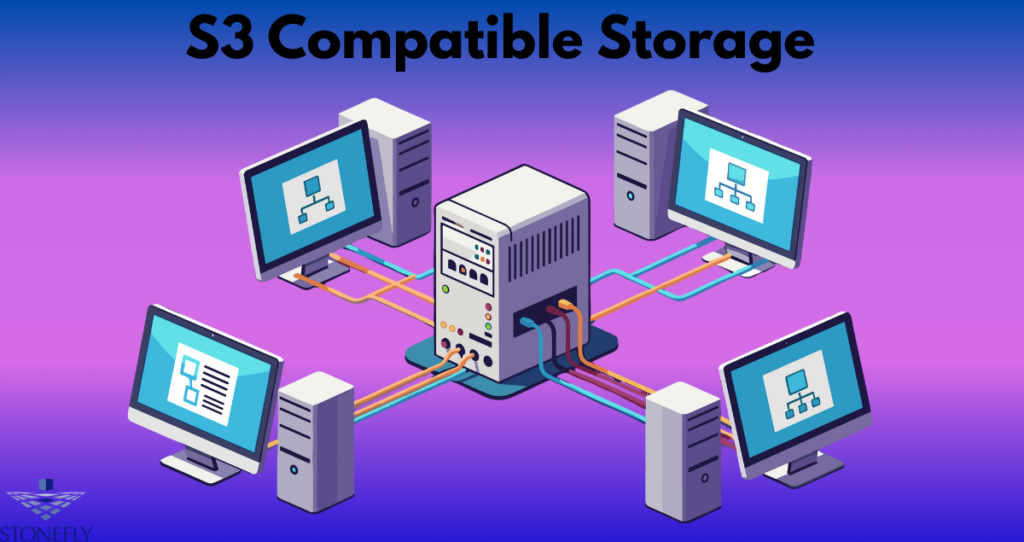
Businesses generate massive amounts of data every day. From backups and analytics to media files and applications, companies need reliable systems that can store and manage information without performance issues. S3 Compatible Storage has become a practical option for organizations that want scalable, secure, and efficient storage infrastructure.
Why Businesses Need Scalable Storage
Traditional storage systems often struggle when data volumes increase rapidly. Companies may face slow performance, hardware limitations, and rising operational costs. Modern organizations need storage that grows smoothly without disrupting workflows.
Scalable storage platforms help businesses:
- Expand storage capacity easily
- Reduce infrastructure complexity
- Improve data accessibility
- Protect critical business information
- Support remote operations
As digital transformation continues, flexible storage has become essential for both small and large organizations.
Understanding Object-Based Storage
Object-based storage stores data as individual objects instead of using traditional file structures. Each object contains data, metadata, and a unique identifier. This structure improves storage management and scalability.
Businesses commonly use object storage for:
Backup and Recovery
Organizations protect important business data by creating secure backups that remain accessible during emergencies.
Media Storage
Video production teams and content creators manage large media libraries more efficiently.
Application Data
Modern applications generate large datasets that require stable and scalable storage environments.
Archive Management
Companies store long-term records and compliance data without consuming expensive high-performance storage.
Key Benefits of Modern Storage Platforms
Businesses choose advanced storage systems because they improve both performance and reliability.
Easy Scalability
Storage capacity can increase without replacing the entire infrastructure. This helps organizations manage growth more effectively.
High Data Durability
Reliable storage systems use replication and redundancy to protect data against hardware failure.
Improved Accessibility
Teams can access files and applications from multiple locations with minimal delay.
Better Security
Encryption, authentication, and access controls help secure sensitive information.
Cost Efficiency
Organizations reduce hardware maintenance and operational expenses through optimized storage architecture.
Industries That Depend on Scalable Storage
Many industries now require large-scale data storage for daily operations.
Healthcare
Healthcare providers manage patient records, medical imaging, and compliance documentation.
Education
Educational institutions store digital learning materials, research files, and student data.
Media and Entertainment
Production companies handle high-resolution video content and large editing projects.
Financial Services
Banks and financial organizations store transaction records, reports, and customer data securely.
Manufacturing
Factories generate operational data, machine logs, and surveillance recordings that require long-term storage.
Features Businesses Should Evaluate
Selecting the right storage infrastructure requires careful planning. Businesses should focus on features that support long-term reliability and growth.
Data Replication
Replication creates additional copies of data to improve protection during failures.
Access Management
Role-based access control improves security and limits unauthorized access.
Monitoring Tools
Monitoring systems help IT teams track storage performance and capacity usage.
Integration Support
Modern storage systems should work with existing applications and backup solutions.
Disaster Recovery
Recovery tools help businesses restore operations quickly after outages or cyber incidents.
The Importance of Future-Ready Infrastructure
Data growth continues to increase every year. Businesses that fail to prepare for future storage needs may face expensive migrations and operational disruptions later.
Future-ready infrastructure helps companies:
- Handle increasing workloads
- Support analytics and AI tools
- Maintain business continuity
- Improve operational efficiency
- Simplify long-term expansion
Planning ahead allows businesses to avoid sudden storage limitations.
Choosing the Right Storage Strategy
Every organization has different requirements. Some businesses prioritize security and compliance, while others focus on performance and scalability.
Important factors include:
- Business size
- Budget
- Compliance requirements
- Recovery expectations
- Existing infrastructure
A strong storage strategy improves long-term business stability and data management.
Conclusion
Modern organizations require storage systems that support growth, security, and operational efficiency. S3 Compatible Storage provides businesses with a scalable way to manage increasing amounts of data while improving accessibility and protection. Companies that invest in flexible storage infrastructure position themselves for better performance, smoother expansion, and stronger data reliability in the future.
FAQs
What is object-based storage used for?
Object-based storage is commonly used for backups, media files, archives, analytics datasets, and application storage.
Why do businesses prefer scalable storage systems?
Scalable systems allow organizations to expand storage capacity without replacing existing infrastructure.
How does data replication improve storage reliability?
Replication creates multiple copies of data, which helps protect information during hardware failures or outages.
Can modern storage systems support remote teams?
Yes. Modern storage platforms allow teams to access files and applications from multiple locations securely.
What industries benefit the most from scalable storage?
Healthcare, education, finance, manufacturing, and media industries benefit heavily from scalable storage infrastructure.