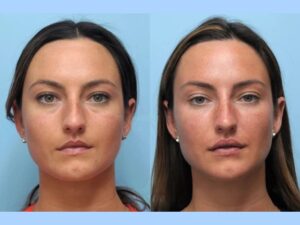
Facial harmony relies on the subtle relationship between individual anatomical structures. While features such as the nose, cheekbones, and jawline frequently take center stage in aesthetic discussions, the ears play a crucial, foundational role in framing the face. When ears project excessively outward, exhibit structural asymmetry, or lack natural anatomical contours, they can significantly distract from overall facial symmetry. Undergoing Otoplasty surgery in Delhi offers individuals a permanent, clinically proven surgical solution to reshape, reposition, and re-proportion protruding ears, ultimately establishing balanced contours that endure for a lifetime.
Modern aesthetic surgery has evolved beyond simple ear pinning techniques of the past. Today, ear reshaping is recognized as an intricate sculpting procedure designed to recreate subtle anatomical landmarks, such as a smooth antihelical fold and balanced conchal projection. Whether performed for a child navigating school-age social dynamics or an adult seeking long-overdue aesthetic refinement, expert ear reshaping yields natural, permanent outcomes without compromising cartilage integrity or auditory health.
Understanding Ear Anatomy and the Principles of Structural Ear Reshaping
To appreciate how long-lasting surgical results are achieved, it is essential to understand the underlying framework of the human outer ear, known as the pinna or auricle. The pinna is comprised of a single, highly flexible sheet of elastic cartilage covered by a thin layer of vascularized skin. Key aesthetic landmarks include the outer rolled rim called the helix, the inner parallel ridge known as the antihelix, and the deep central cup called the concha.
When an ear appears overly prominent, the issue almost always stems from specific cartilage variations. The most common anatomical causes include an underdeveloped or absent antihelical fold, which causes the upper rim of the ear to fold forward, or an enlarged, overly deep conchal bowl that projects the entire ear outward from the side of the head. In many cases, patients present with a combination of both conditions. Modern surgical correction precisely addresses these underlying structural factors rather than simply flattening the outer rim against the head.
Primary Anatomical Indications for Seeking Otoplasty Surgery in Delhi
Patients evaluate ear reshaping for diverse anatomical concerns, all of which require meticulous surgical planning. Prominent ear correction remains the most common request, addressing ears that project more than two centimeters from the side of the head. In addition to bilateral prominence, structural asymmetry between the left and right ears is frequently addressed, ensuring both sides achieve a balanced relationship with adjacent facial features.
Other clinical indications include correcting constricted or cupped ears, where the upper margin folds downward, and restoring ears affected by previous trauma or congenital contour irregularities. Additionally, patients seeking secondary or revision procedures turn to specialized centers to soften sharp cartilage ridges or unnatural pinning created during outdated surgical attempts. By customizing the technique to the patient’s specific anatomical presentation, the surgeon secures stable, proportional contours that look completely natural.
Cartilage Sculpting Techniques for Permanent Ear Repositioning
Achieving permanent ear repositioning requires surgical methods that respect the physical memory and physical properties of elastic cartilage. In historic surgical practices, surgeons frequently excised large portions of cartilage or performed harsh full-thickness cuts, which often led to unnatural, sharp edges, visible skin tenting, and high recurrence rates. Modern plastic surgery prioritizes cartilage-sparing techniques that shape and hold the cartilage framework cleanly.
Cartilage-sparing methods utilize specialized internal mattress sutures, commonly known as Mustardé sutures, to gently bend and curve the cartilage into a smooth, natural antihelical fold. To reduce an overdeveloped concha, Furnas setback sutures are utilized to anchor the conchal cartilage directly to the strong mastoid fascia behind the ear. In mature cartilage that exhibits stronger physical memory, gentle superficial scoring on the anterior surface allows the cartilage to bend smoothly without springing back. Because the cartilage framework remains intact, the newly established contours remain secure permanently as internal healing takes place.
Evaluating Pediatric vs Adult Ear Reshaping Approaches
While the foundational principles of ear reshaping remain constant, surgical approaches must be adapted based on the patient’s age and cartilage physiology. Pediatric ear correction is typically performed when a child reaches five to six years of age. At this stage, the ear has achieved approximately ninety percent of its full adult growth, and the cartilage is soft, highly pliable, and exceptionally responsive to gentle suture molding. Addressing ear projection early in life prevents potential psychological stress and social discomfort during formative school years.
Adult ear reshaping, on the other hand, presents distinct physical considerations. Mature ear cartilage is firmer, thicker, and carries decades of structural memory. To achieve a stable, permanent result in adult patients, the surgeon must combine precise suture suspension with subtle cartilage weakening techniques to eliminate internal tension. Furthermore, adult procedures are routinely conducted under local anesthesia with light sedation, allowing for rapid post-operative recovery and minimal disruption to busy personal and professional schedules.
The Consultation Process at a Premier Plastic Surgery Clinic in Delhi
A successful aesthetic transformation begins with a rigorous clinical consultation at a leading plastic surgery clinic in Delhi. During this initial assessment, the surgeon conducts a complete visual and physical evaluation of the outer ear structures, measuring projection angles, assessing cartilage elasticity, and examining the symmetry of adjacent facial features. Pre-operative photography is performed to analyze subtle proportions from multiple viewing perspectives.
Clear communication during the consultation ensures that patient expectations are thoroughly aligned with achievable surgical outcomes. The surgeon explains the recommended technique, reviews appropriate anesthesia choices, and details every stage of the recovery timeline. Patients receive comprehensive pre-operative guidelines, including instructions to avoid anti-inflammatory medications and smoking prior to surgery, ensuring the safest possible operating environment and optimal tissue healing.
Step-by-Step Surgical Journey: What Happens During the Procedure
The surgical journey is designed to be smooth, comfortable, and efficient. On the day of the procedure, the patient is prepared in a sterile surgical setting. The primary surgical incision is placed discreetly in the post-auricular sulcus, which is the natural crease situated behind the ear where it meets the scalp. Working through this hidden incision, the surgeon gently exposes the posterior cartilage framework while completely preserving the skin on the front of the ear.
Once the cartilage is exposed, the surgeon executes the planned reshaping strategy. Conchal setback sutures are placed to reduce excessive projection, and antihelical mattress sutures are carefully tightened to form a smooth, rounded ridge. Throughout the procedure, the surgeon continuously checks symmetry, comparing both ears to ensure precise alignment. Once the desired contours are established, the posterior skin incision is closed with fine, absorbable sutures, and a protective, cushioned dressing is applied to protect the newly sculpted framework.
Navigating Recovery and Post-Operative Protection for Lasting Success
Post-operative care plays a vital role in protecting surgical outcomes while the underlying tissues settle and heal. Immediately following surgery, a supportive head bandage is applied to keep the ears protected, maintain steady gentle compression, and prevent fluid accumulation. This initial bulky dressing is removed after five to seven days during a follow-up appointment, revealing the refined ear contours.
Following initial dressing removal, patients wear a soft, elastic headband continuously for the first week, and subsequently during sleep for an additional four to six weeks. This protective band prevents the ears from accidentally folding forward or experiencing friction against pillows during sleep while internal scar tissue matures. Most adult patients return to work within a week, while strenuous exercise, heavy lifting, and contact sports are avoided for six weeks to safeguard the permanent internal suture network.
Understanding Financial Considerations and Plastic Surgery Cost in Delhi
When planning for ear correction, patients evaluate the financial investment involved alongside surgical quality and clinical credentials. Seeking clear details regarding the total Otoplasty surgery cost in Delhi allows patients to plan their procedure with complete confidence. Surgical fees reflect a comprehensive package that includes the surgeon’s expertise, surgical facility standards, specialized suture materials, anesthesia fees, and dedicated post-operative care.
When reviewing the complete plastic surgery cost in Delhi, patients should recognize that pricing is customized based on individual anatomical complexity, such as whether single or bilateral correction is required, and whether revision techniques are necessary. Prioritizing accredited medical facilities, board-certified surgical leadership, and rigorous safety protocols guarantees a high clinical standard, preventing complications and ensuring long-lasting aesthetic satisfaction.
Uncompromising Safety, Clinical Excellence, and Surgical Leadership
Selecting a trusted medical provider is the most critical decision in any aesthetic journey. At Med Esthetiks, patient care is spearheaded by Dr. Lokesh Handa, M.S., M.Ch., a highly distinguished Senior Consultant Plastic, Aesthetic and Hair Transplant Surgeon with over 18 years of specialized surgical experience. Recognized as a leading best otoplasty surgeon in Delhi and a respected best plastic surgeon in Delhi, Dr. Handa is renowned for his technical precision, artistic eye, and commitment to natural-looking outcomes.
As a renowned top plastic surgeon in Delhi and skilled cosmetic plastic surgeon in Delhi, Dr. Handa believes in ethical treatment planning and personalized patient care. Whether serving as your trusted best cosmetic surgeon in Delhi or expert plastic surgery doctor in Delhi, his clinical approach prioritizes tissue preservation, minimal incision exposure, and patient safety above all else.
Operating out of a premier best cosmetic clinic in Delhi located conveniently in Greater Kailash-1, Med Esthetiks serves patients across South Delhi, New Delhi, and the surrounding Delhi NCR region. The clinic integrates state-of-the-art operating facilities with a compassionate clinical team, providing personalized consultations, customized surgical plans, advanced cartilage-sparing techniques, and comprehensive follow-up care to ensure every patient achieves beautifully balanced, natural-looking ear contours.
Frequently Asked Questions About Otoplasty Surgery in Delhi
How does modern cartilage-sparing otoplasty ensure permanent long-term results?
Modern cartilage-sparing ear reshaping establishes permanent results by utilizing internal medical-grade mattress sutures that gently fold and reconfigure the elastic cartilage framework into a natural position. Rather than relying on temporary skin tension or aggressive cartilage cutting, these permanent internal sutures secure the reshaped framework in place while the body generates natural fibrous scar tissue over several months. Once fully formed, this internal scar tissue permanently stabilizes the new ear position, preventing the cartilage from returning to its original projection and providing natural, lifelong aesthetic balance.
What is the typical age range for undergoing successful ear reshaping surgery?
Ear reshaping surgery can be successfully performed on patients ranging from young children aged five or six up through mature adulthood. By age five, external ear cartilage has achieved nearly ninety percent of adult growth and possesses excellent flexibility, making early childhood an ideal timeframe for corrective intervention before school interactions begin. Adults of any age can also undergo the procedure with exceptional results, provided they are in good overall health. In adult patients, customized cartilage weakening techniques are combined with suture fixation to handle firmer cartilage.
Where are the surgical incisions located and will there be visible scars?
Surgical incisions for ear reshaping are placed discreetly in the post-auricular sulcus, which is the natural fold located directly behind the ear where it connects to the head. Placing access points within this hidden anatomical crease ensures that no surgical scars are visible from the front or side views. Over time, post-auricular incision lines mature into fine, soft lines that blend seamlessly into surrounding skin folds. By utilizing precise, tension-free closure techniques, the surgical team preserves complete skin integrity and ensures virtually unnoticeable long-term scarring.
What type of anesthesia is utilized during ear reshaping procedures?
The choice of anesthesia depends primarily on patient age, individual preference, and surgical complexity. For adult patients and older teenagers, ear reshaping is routinely performed under local anesthesia combined with mild intravenous sedation, ensuring complete numbness and deep relaxation while allowing the patient to remain comfortably conscious. For young children, procedure comfort and safety are maximized by performing the operation under general anesthesia managed by experienced pediatric anesthesiologists. Both anesthetic approaches provide a pain-free, smooth surgical experience with minimal post-procedure recovery downtime.
How much time off work or school is required following ear surgery?
Most adult patients can comfortably resume desk work, remote business activities, and light routine errands within five to seven days post-surgery, immediately following the removal of the initial post-operative head bandage. School-aged children generally return to the classroom within seven to ten days, provided active physical play and recess contact sports are restricted. While daily routines resume quickly, all patients must wear a protective elastic headband while sleeping for four to six weeks and refrain from rigorous physical workouts or contact sports for six weeks.
Can otoplasty correct severe asymmetry or unequal ear projection?
Yes, modern ear reshaping surgery is highly effective at correcting asymmetrical ear projection, irregular folds, or unequal ear sizing. During pre-operative planning, the surgeon carefully analyzes the unique structural characteristics of each ear, recognizing that asymmetrical ears often require distinct surgical steps on either side. One ear may require conchal setback sutures while the opposite ear needs antihelical fold sculpting. By tailoring the technique individually to each ear, the surgeon achieves maximum overall facial symmetry, balanced projection, and visually harmonious proportions between both sides.
What aftercare steps are essential for protecting newly sculpted ears?
Essential aftercare steps include keeping the initial surgical head bandage clean and dry until its scheduled removal by the surgeon. Patients must sleep elevated on two or three pillows for the first few weeks to promote fluid drainage and reduce local swelling. Wearing the prescribed soft headband continuously during the initial post-operative week and during sleep for the following month protects the ears from accidental bending or mechanical trauma. Additionally, patients must avoid strenuous exercise, heavy lifting, hair dyeing, and swimming until cleared by the surgeon.
Does external ear reshaping surgery affect normal hearing capabilities?
No, external ear reshaping surgery carries no risk of affecting or impairing normal hearing capabilities. The surgical procedure is strictly confined to the outer cartilage framework and skin of the external ear pinna, well away from the internal ear canal, tympanic membrane, and delicate middle or inner ear hearing mechanisms. Because auditory pathways and internal ear structures remain untouched throughout the operation, normal hearing function is fully preserved, making ear reshaping a safe aesthetic procedure purely focused on structural outer ear refinement.
Achieving Lasting Ear Proportion and Emotional Confidence
Choosing Otoplasty surgery in Delhi offers a transformative path toward achieving natural ear symmetry, balanced facial proportions, and lasting self-confidence. By addressing underlying cartilage structures through advanced, cartilage-sparing protocols, expert surgeons can permanently refine ear projection and recreate subtle anatomical folds without producing artificial sharpness or visible surgical marks. Whether addressing pediatric prominence or adult structural asymmetry, modern ear reshaping delivers stable, lifelong satisfaction through meticulous surgical care.
Partnering with an experienced, board-certified plastic surgery team ensures that your surgical experience is anchored in clinical excellence, personalized planning, and total safety. From the initial anatomical evaluation through comprehensive post-operative follow-up, dedicated care guarantees that your newly sculpted contours remain secure, natural, and beautifully balanced forever.
Book Your Personal Ear Reshaping Consultation Today
Take the first step toward refined facial harmony and permanent confidence by arranging a private clinical evaluation with Dr. Lokesh Handa at Med Esthetiks. As a premier destination for advanced plastic, cosmetic, and reconstructive surgery in Greater Kailash-1, New Delhi, our practice provides individualized diagnostic evaluations and world-class surgical protocols tailored to your unique anatomical goals. Contact our clinical team today at +91 8800203431 or visit our website to reserve your confidential otoplasty consultation.