Sustainability has become a major factor in purchasing decisions across the United States. Consumers increasingly pay attention to the packaging and serving materials used by restaurants, cafés, catering businesses, festivals, and corporate events. For business owners, procurement managers, and event companies, this shift creates a practical challenge: finding packaging solutions that support environmental goals while maintaining brand visibility.
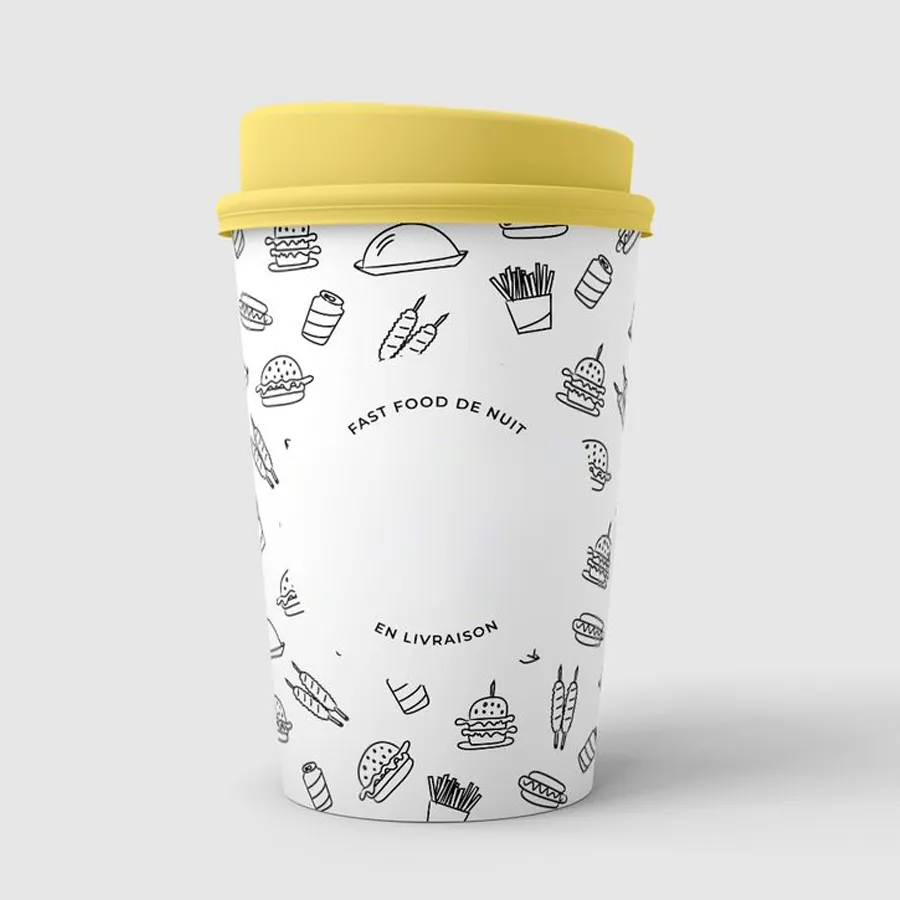
One option gaining attention is Custom Compostable Cold Cups with Logo. These cups provide a way to serve beverages while promoting a company’s brand and reducing reliance on traditional plastic products. However, choosing the right supplier and product specification requires careful evaluation.
Why Compostable Cold Cups Are Becoming a Preferred Choice
Many organizations are reviewing their packaging strategies as local regulations and customer expectations continue to evolve. Compostable cold cups offer an alternative that aligns with sustainability initiatives without sacrificing functionality.
For businesses that serve iced coffee, smoothies, soft drinks, juices, or event refreshments, compostable cups can contribute to a more environmentally responsible image. Adding a company logo further supports brand recognition during customer interactions, public events, and promotional campaigns.
The value extends beyond beverage service. Businesses often coordinate their cup designs with other branded packaging materials such as mailer boxes, rigid boxes, custom sleeves, tuck-end boxes, and food wrapping solutions to create a consistent presentation across different customer experiences.
Key Factors to Compare Before Ordering
When evaluating custom compostable cold cups, decision-makers should focus on several practical considerations.
Material Quality
The quality of the cup directly affects customer satisfaction. A compostable cup should maintain its structure when filled with cold beverages and resist leaks during normal use.
Buyers should ask suppliers about material composition, compostability certifications, and performance testing. Reliable suppliers are generally transparent about manufacturing standards and product specifications.
Minimum Order Quantities (MOQ)
MOQ requirements can vary significantly between suppliers. Smaller businesses and event organizers may prefer lower minimums that allow them to test designs before placing larger orders.
Large restaurant chains, franchises, and corporate procurement teams often benefit from higher-volume production runs that reduce per-unit costs. Understanding order requirements early can help avoid unexpected expenses.
Customization Options
Logo placement, color accuracy, printing methods, and cup sizes should all be reviewed before committing to a supplier.
Some businesses require simple one-color branding, while others need detailed graphics that match existing packaging assets. Reviewing print samples can provide valuable insight into the final appearance of the product.
Companies that already use branded packaging materials, including custom sleeves and branded wax paper, often seek suppliers capable of maintaining consistent print quality across multiple product categories.
Lead Times and Production Schedules
Lead time is especially important for seasonal promotions, trade shows, product launches, and large-scale events.
A supplier may offer attractive pricing, but long production timelines can create logistical challenges. Procurement managers should confirm production schedules, shipping timelines, and any potential delays before finalizing an order.
Planning ahead can prevent inventory shortages and reduce the risk of missing important event deadlines.
Supplier Reliability
Supplier reliability often becomes apparent through communication, responsiveness, and transparency.
Businesses should review customer feedback, request product samples, and evaluate how effectively a supplier answers technical questions. Consistent communication can be particularly valuable when managing recurring orders or coordinating multiple packaging products.
Reliable suppliers typically provide clear information about artwork requirements, proof approvals, production timelines, and shipping expectations.
How Custom Compostable Cups Support Brand Promotion
Branded beverage packaging serves a practical marketing function. Every cup handed to a customer becomes a visible representation of the business.
At festivals, conferences, sporting events, and food service locations, custom-printed compostable cups can help reinforce brand recognition without relying solely on traditional advertising channels.
When paired with coordinated packaging such as mailer boxes, rigid boxes, tuck-end boxes, and custom sleeves, businesses can create a unified presentation that supports long-term brand consistency.
This approach is particularly valuable for companies that regularly participate in community events, promotional campaigns, and customer engagement activities.
Making a Smart Purchasing Decision
The most successful packaging purchases balance sustainability goals, branding requirements, operational needs, and budget considerations.
Rather than focusing exclusively on price, buyers should evaluate material quality, customization capabilities, MOQ flexibility, production timelines, and supplier dependability. These factors often have a greater impact on overall value than initial unit cost alone.
As demand for environmentally responsible packaging continues to grow, custom compostable cold cups represent a practical option for businesses seeking to align branding efforts with sustainability objectives.
For organizations exploring their options, requesting samples and obtaining a custom quote can provide a clearer understanding of available materials, printing quality, and production capabilities before making a final decision.