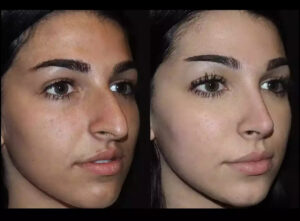
Rhinoplasty in Dubai
Rhinoplasty is a surgical procedure designed to reshape the nose, improve facial balance, and address certain functional concerns related to nasal breathing. People considering Rhinoplasty in Dubai should understand the procedure, available treatment options, recovery expectations, potential risks, and factors that influence the final outcome. Careful preparation helps patients make informed decisions and establish realistic expectations before undergoing surgery.
Whether someone wants to refine the nasal tip, correct a nasal hump, improve symmetry, or address breathing difficulties, every treatment plan should reflect individual anatomy and personal goals. At Perfect Doctors Clinic, Dr Perfect Celebrity emphasizes personalized consultations and careful evaluation to help patients understand the procedure and make decisions based on their needs.
1. Understand Your Reasons for Considering Rhinoplasty in Dubai
The first consideration before undergoing Rhinoplasty in Dubai is understanding why you want the procedure. Some individuals seek cosmetic improvements, while others want to address structural concerns that affect nasal function.
Common reasons for considering Rhinoplasty Dubai include:
- Improving the appearance of a prominent nasal bridge.
- Refining a wide or bulbous nasal tip.
- Correcting asymmetrical nostrils.
- Improving overall facial proportions.
- Addressing structural concerns that affect nasal breathing.
- Correcting changes caused by previous nasal injuries.
Identifying your primary concerns helps establish clear treatment goals. During a consultation, Dr Perfect Celebrity evaluates the nasal structure and discusses whether the desired changes are achievable through suitable Rhinoplasty surgery techniques.
2. Choose the Best Plastic Surgeon in Dubai for Rhinoplasty
Selecting an appropriately qualified and experienced surgeon is one of the most important decisions before surgery. Rhinoplasty requires an understanding of nasal anatomy, facial proportions, and the relationship between appearance and breathing function.
When researching the Best Plastic Surgeon in Dubai, consider the following factors:
- Relevant medical qualifications and surgical training.
- Experience with different rhinoplasty techniques.
- Understanding of nasal structure and facial harmony.
- Ability to explain potential risks and limitations.
- Clear communication during consultations.
- A personalized approach to surgical planning.
Patients researching the Best rhinoplasty surgeons in Dubai should also ask about previous experience with procedures similar to their requirements. Reviewing relevant Rhinoplasty before and after photographs can help patients understand possible changes, although individual results will vary.
At Perfect Doctors Clinic, Dr Perfect Celebrity discusses individual concerns and treatment expectations to support informed decision-making.
3. Evaluate Your Nasal Structure and Facial Proportions
Every nose has a different anatomical structure. Therefore, the same surgical technique may not produce identical results for different patients. Before proceeding, the surgeon should assess the nasal bridge, tip, nostrils, cartilage, bone structure, and skin thickness.
Facial proportions are equally important because the nose should complement other facial features rather than appear disconnected from them.
Important anatomical considerations include:
- Nasal bridge: Its height, width, and overall shape.
- Nasal tip: Its projection, rotation, and definition.
- Skin thickness: Thicker skin may influence the visibility of underlying structural changes.
- Nostril shape: Width and symmetry may affect surgical planning.
- Nasal septum: Internal structural deviations may require functional assessment.
This evaluation helps determine suitable Rhinoplasty treatment options while maintaining natural-looking facial proportions.
4. Understand Different Rhinoplasty Procedures in Dubai
Another important consideration is understanding which surgical approach may be appropriate for your concerns. Different Rhinoplasty procedures in Dubai address different nasal structures, and the choice depends on individual anatomy and treatment objectives.
Common approaches include:
Open Rhinoplasty
Open rhinoplasty involves a small incision across the columella, the tissue separating the nostrils. This approach provides greater visibility of the underlying nasal structures and may be suitable for more complex reshaping.
Closed Rhinoplasty
Closed rhinoplasty involves incisions made inside the nostrils. It may be appropriate for selected cases where the required structural changes can be performed through this approach.
Functional Rhinoplasty
Functional rhinoplasty focuses on improving nasal structure and airflow. It may involve correcting anatomical problems that contribute to breathing difficulties.
Revision Rhinoplasty
Revision rhinoplasty addresses concerns following an earlier nose surgery. It may require more detailed planning because previous procedures can change the natural nasal anatomy.
The appropriate technique should be selected after a comprehensive assessment rather than according to general preferences.
5. Review Rhinoplasty Cost in Dubai and Your Budget
Understanding the financial aspect is another key consideration before scheduling surgery. The Rhinoplasty cost in Dubai can vary depending on the complexity of the procedure, surgical technique, individual requirements, and associated medical services.
The estimated rhinoplasty price may range from AED 23,299 to AED 30,000, depending on the treatment plan and specific requirements.
Factors that may influence the overall cost include:
- Complexity of the nasal correction.
- Whether cosmetic or functional changes are required.
- Surgical technique and procedure duration.
- Anesthesia and medical facility expenses.
- Postoperative appointments and follow-up care.
- Whether revision surgery is necessary.
Patients should request a detailed cost breakdown during their consultation. Understanding what is included in the quoted price helps avoid unexpected expenses.
When comparing treatment options, cost should not be the only deciding factor. Surgical qualifications, safety standards, and appropriate postoperative care are equally important.
6. Discuss Your Medical History and Surgical Eligibility
Not everyone is automatically suitable for rhinoplasty. A detailed medical evaluation helps determine whether the procedure can be performed safely and whether additional precautions are necessary.
Before surgery, patients should discuss:
- Previous nasal surgeries or injuries.
- Existing breathing difficulties.
- Allergies and sinus-related concerns.
- Current medications and supplements.
- Smoking or nicotine use.
- Previous reactions to anesthesia.
- Existing medical conditions.
The surgeon may also assess nasal airflow and internal structures when functional concerns are present.
Patients should provide accurate medical information and follow preoperative instructions. Certain medications may need adjustment, but this should only happen under medical guidance.
7. Set Realistic Expectations About Rhinoplasty Results
Understanding what rhinoplasty can and cannot achieve is essential before undergoing surgery. Although the procedure can improve nasal appearance and address selected structural concerns, it cannot guarantee perfect symmetry or identical results to reference photographs.
During consultation, patients should communicate their preferences clearly and discuss which changes are realistic.
The expected Rhinoplasty results depend on several factors, including:
- Existing nasal anatomy.
- Skin thickness and elasticity.
- Healing response.
- Surgical technique.
- Complexity of the correction.
- Postoperative care.
Patients should understand that the nose may appear swollen immediately after surgery. Final refinement takes time, and subtle changes can continue as the tissues heal.
Reviewing realistic Rhinoplasty before and after examples can help establish a better understanding of potential outcomes.
8. Prepare for Rhinoplasty Recovery
Recovery planning is another important consideration before undergoing surgery. Patients should arrange sufficient time away from work and daily responsibilities to allow the initial healing process to take place.
Rhinoplasty recovery generally involves temporary swelling, bruising, nasal congestion, and mild discomfort. These effects vary according to the surgical technique and individual healing response.
Patients should follow their surgeon’s instructions regarding:
- Keeping the head elevated while resting.
- Avoiding unnecessary pressure on the nose.
- Following prescribed medication instructions.
- Avoiding strenuous exercise until cleared.
- Protecting the nose from accidental injury.
- Attending scheduled follow-up appointments.
Initial swelling and bruising generally improve over the first few weeks. However, complete nasal refinement may take 12 months or longer, particularly around the nasal tip.
Understanding this timeline helps patients plan their personal and professional schedules realistically.
9. Understand Potential Risks and Complications
Like other surgical procedures, rhinoplasty involves potential risks. Being aware of these possibilities helps patients make informed decisions and understand the importance of professional evaluation and postoperative monitoring.
Potential complications may include:
- Bleeding or infection.
- Temporary or persistent swelling.
- Changes in nasal sensation.
- Scarring.
- Nasal asymmetry.
- Breathing difficulties.
- Unsatisfactory cosmetic outcomes.
- The possible need for revision surgery.
The likelihood of complications varies between patients. A detailed consultation helps identify individual risk factors and determine appropriate precautions.
Patients should ask questions about safety, anesthesia, recovery, and available management options before providing consent for surgery.
10. Select a Suitable Rhinoplasty Clinic in Dubai
Choosing an appropriate Rhinoplasty clinic in Dubai is another essential step. Patients should evaluate the clinical environment, consultation process, surgical facilities, and availability of postoperative support.
At Perfect Doctors Clinic, Dr Perfect Celebrity provides individualized guidance based on each patient’s nasal anatomy, aesthetic preferences, and functional concerns.
Before making a decision, patients should confirm that the facility follows appropriate safety standards and that qualified medical professionals are involved throughout the surgical process.
A detailed consultation also provides an opportunity to discuss concerns, understand treatment limitations, and clarify the expected recovery process.
Conclusion
Preparing for rhinoplasty involves more than deciding how you want your nose to look. Patients should consider their medical history, nasal anatomy, surgical eligibility, treatment techniques, financial requirements, potential risks, and recovery expectations before proceeding.
Researching the Best rhinoplasty surgeon in Dubai, understanding the available treatment options, and discussing realistic outcomes can help patients make informed decisions. At Perfect Doctors Clinic, Dr Perfect Celebrity focuses on individualized assessment and treatment planning to address each patient’s concerns while considering facial balance and nasal function.
Frequently Asked Questions (FAQs)
1. What should I consider before Rhinoplasty in Dubai?
Before Rhinoplasty in Dubai, consider your medical history, nasal anatomy, surgical goals, surgeon’s qualifications, potential risks, procedure costs, and recovery requirements. A detailed consultation helps determine your suitability.
2. How do I choose the Best rhinoplasty doctors in Dubai?
Consider the medical qualifications of the Best Doctors in Dubai, relevant surgical experience, understanding of nasal anatomy, communication approach, and ability to explain potential outcomes and risks.
3. What is the average Rhinoplasty cost in Dubai?
The estimated Rhinoplasty cost in Dubai may range from AED 23,299 to AED 30,000. The final price depends on surgical complexity, treatment requirements, and associated medical services.
4. Am I suitable for Rhinoplasty surgery?
Suitability depends on your nasal structure, general health, medical history, and treatment expectations. A qualified surgeon must evaluate these factors before recommending surgery.
5. How long does Rhinoplasty recovery take?
Initial swelling and bruising generally improve within a few weeks. However, complete nasal refinement can take 12 months or longer, depending on individual healing and the surgical technique.
6. What are the different Rhinoplasty treatment options?
Treatment options include open rhinoplasty, closed rhinoplasty, functional rhinoplasty, and revision rhinoplasty. The appropriate approach depends on the patient’s nasal anatomy and surgical objectives.
7. Can Rhinoplasty improve nasal breathing?
Yes, rhinoplasty may address certain structural concerns affecting nasal airflow. However, functional breathing problems require an appropriate medical assessment to identify the underlying cause.
8. When can I see the final Rhinoplasty results?
Initial changes become noticeable after postoperative swelling begins to decrease. However, the nose continues to heal gradually, and final results may take 12 months or longer to develop.
9. Is Rhinoplasty Dubai suitable for correcting an asymmetrical nose?
Rhinoplasty Dubai may help improve nasal asymmetry by reshaping selected nasal structures. The extent of correction depends on existing anatomy, skin characteristics, and surgical limitations.
10. Why is a consultation important before Rhinoplasty in Dubai?
A consultation allows the surgeon to evaluate nasal anatomy, review medical history, understand aesthetic goals, discuss surgical techniques, explain potential risks, and establish realistic expectations before treatment.