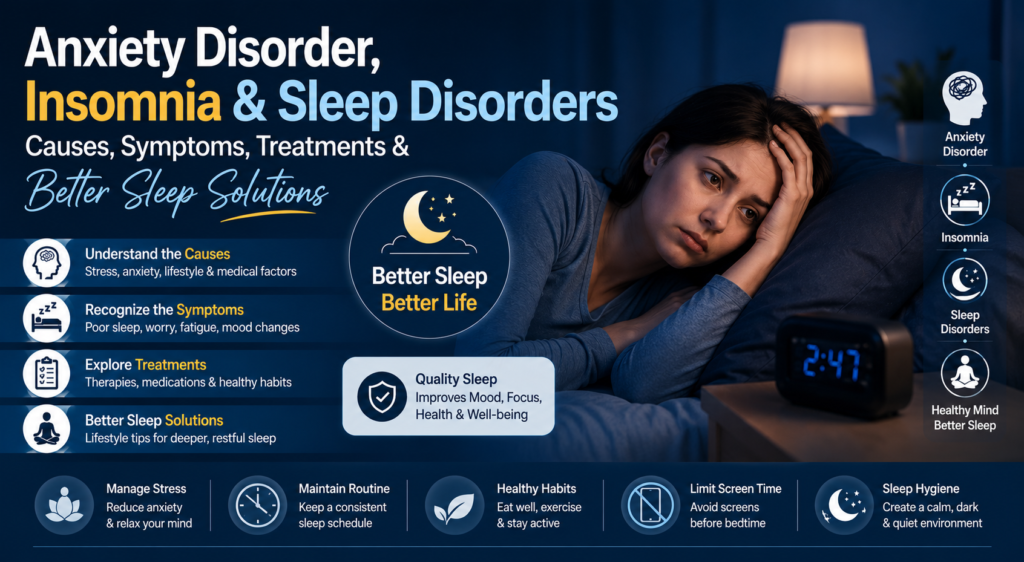
Getting a good night’s sleep is essential for maintaining both physical and mental health. However, millions of people worldwide struggle with Sleep Disorders, anxiety, and insomnia that prevent them from getting the restorative rest their bodies need. Poor sleep can reduce productivity, weaken the immune system, affect mood, and increase the risk of chronic health conditions.
If you frequently lie awake at night, wake up feeling exhausted, or struggle with racing thoughts before bedtime, you may be experiencing symptoms of Anxiety Disorder, Insomnia, or another sleep-related condition. Fortunately, combining healthy lifestyle habits with appropriate medical care can significantly improve sleep quality.
In this guide, you’ll learn natural ways to sleep better, understand treatment options, and discover how medications like Fluxican 60 Mg, Nexito LS, and Modafinil are used under medical supervision for different mental health and sleep-related conditions.
What Is an Anxiety Disorder?
An anxiety disorder is more than occasional stress or worry. It is a mental health condition characterized by persistent fear, nervousness, or excessive worrying that interferes with daily life.
People living with anxiety often experience:
- Constant worrying
- Racing thoughts
- Difficulty relaxing
- Increased heart rate
- Restlessness
- Difficulty falling asleep
- Night-time panic attacks
- Poor concentration
Because anxiety keeps the brain in a heightened state of alertness, it often becomes one of the leading causes of chronic insomnia.
Understanding Insomnia
Insomnia is one of the most common Sleep Disorders affecting adults worldwide. It occurs when a person has difficulty falling asleep, staying asleep, or waking too early without being able to return to sleep.
There are two primary types:
Acute Insomnia
Short-term sleep difficulty often triggered by stress, illness, travel, or emotional events.
Chronic Insomnia
Sleep problems lasting three months or longer, often linked with anxiety disorders, depression, chronic pain, or certain medications.
Common symptoms include:
- Taking over 30 minutes to fall asleep
- Waking repeatedly during the night
- Feeling tired despite spending enough time in bed
- Daytime fatigue
- Irritability
- Poor focus and memory
Common Types of Sleep Disorders
Besides insomnia, many people experience other Sleep Disorders, including:
Sleep Apnea
Breathing repeatedly stops during sleep, leading to loud snoring and poor sleep quality.
Restless Legs Syndrome (RLS)
An uncomfortable urge to move the legs, especially during the evening.
Narcolepsy
A neurological condition causing excessive daytime sleepiness and sudden sleep attacks.
Circadian Rhythm Disorders
The body’s internal clock becomes disrupted due to shift work, jet lag, or irregular sleep schedules.
Each condition requires proper medical evaluation for accurate diagnosis and treatment.
How Anxiety and Poor Sleep Are Connected
Anxiety and insomnia create a cycle that’s difficult to break.
Anxiety makes it difficult to relax before bedtime. Poor sleep then increases stress hormones, making anxiety even worse the next day.
Common triggers include:
- Financial stress
- Work pressure
- Relationship issues
- Depression
- Excessive caffeine
- Excessive screen time
- Chronic illness
Breaking this cycle usually requires improving sleep habits while addressing the underlying anxiety.
Expert Tips to Sleep Better Naturally
- Maintain a Consistent Sleep Schedule
Go to bed and wake up at the same time every day—even on weekends. Consistency helps regulate your body’s internal clock.
- Reduce Screen Time
Blue light from smartphones, tablets, and laptops suppresses melatonin production. Avoid screens at least one hour before bedtime.
- Limit Caffeine
Coffee, energy drinks, and cola can stay in your body for several hours. Avoid caffeine in the late afternoon and evening.
- Create a Relaxing Bedtime Routine
Try activities such as:
- Reading
- Meditation
- Gentle stretching
- Deep breathing
- Listening to calming music
These activities help signal your brain that it’s time to sleep.
- Exercise Regularly
Moderate exercise improves sleep quality, reduces anxiety, and boosts overall mental health. However, avoid intense workouts close to bedtime.
Diet and Lifestyle Changes That Support Better Sleep
What you eat and drink can have a significant impact on your sleep quality. A balanced diet rich in vitamins, minerals, and antioxidants supports healthy brain function and may help regulate your sleep cycle.
Foods that may promote better sleep include:
- Bananas
- Almonds and walnuts
- Oats
- Kiwi
- Cherries
- Chamomile tea
- Whole grains
- Leafy green vegetables
Try to avoid heavy meals, alcohol, nicotine, and sugary snacks close to bedtime, as these can interfere with restful sleep.
When Should You See a Doctor?
While occasional sleepless nights are common, persistent sleep problems should not be ignored. Consult a healthcare professional if you experience:
- Insomnia lasting more than three weeks
- Frequent nighttime awakenings
- Loud snoring or breathing interruptions during sleep
- Excessive daytime sleepiness
- Anxiety that affects work or daily activities
- Symptoms of depression or panic attacks
Early diagnosis can help identify the underlying cause and lead to more effective treatment.
Treatment Options for Anxiety and Sleep Disorders
Treatment depends on the underlying condition and may include lifestyle modifications, cognitive behavioral therapy (CBT), counseling, and prescription medications. Always use medications under the supervision of a qualified healthcare provider.
Fluxican 60 Mg
Fluxican 60 Mg contains fluoxetine, a selective serotonin reuptake inhibitor (SSRI). It is commonly prescribed to help manage conditions such as depression, anxiety disorders, panic disorder, and obsessive-compulsive disorder (OCD). By improving mood and reducing anxiety symptoms, it may also help some people achieve better sleep over time. However, it is not a sleeping pill, and its effects on sleep vary from person to person.
Nexito LS
Nexito LS is prescribed for certain anxiety-related conditions when recommended by a healthcare professional. It combines medicines that help reduce anxiety symptoms and promote relaxation, which may improve sleep quality in people whose insomnia is linked to anxiety. Because it may cause drowsiness, it should only be taken exactly as prescribed.
Modafinil
Unlike traditional sleep medications, Modafinil is a wakefulness-promoting medicine. It is commonly prescribed for conditions such as narcolepsy, obstructive sleep apnea–related excessive daytime sleepiness, and shift work sleep disorder. It helps improve daytime alertness but is not intended to treat insomnia. It should only be used under medical supervision.
Why Healthy Sleep Matters
Quality sleep is essential for maintaining overall health. Consistently getting enough restful sleep can help:
- Improve concentration and memory
- Support immune function
- Reduce stress and anxiety
- Boost mood and emotional well-being
- Improve work performance
- Support heart health
- Increase energy levels throughout the day
Even small improvements in your sleep routine can make a noticeable difference in your physical and mental health.
Shop Quality Medications at Genericshub
If your healthcare provider has prescribed medication for anxiety or sleep-related conditions, Genericshub offers a convenient way to access a wide range of genuine pharmaceutical products. Customers in the United Kingdom (UK), United States (USA), Canada, Australia, and many other countries worldwide choose Genericshub for reliable service, secure ordering, discreet packaging, and global shipping. Whether you are looking for Fluxican 60 Mg, Nexito LS, Modafinil, or other prescription medications, always ensure you use them responsibly and according to your doctor’s instructions.
Frequently Asked Questions (FAQs)
Can anxiety cause insomnia?
Yes. Anxiety is one of the most common causes of insomnia. Racing thoughts, excessive worry, and stress can make it difficult to fall asleep or stay asleep.
Are all sleep disorders the same?
No. Sleep Disorders include insomnia, sleep apnea, narcolepsy, restless legs syndrome, circadian rhythm disorders, and several other conditions, each with different causes and treatments.
Is Modafinil a sleeping pill?
No. Modafinil is a wakefulness-promoting medication used to treat excessive daytime sleepiness associated with certain sleep disorders. It is not used to help people fall asleep.
Can lifestyle changes improve sleep naturally?
Yes. Maintaining a consistent sleep schedule, limiting caffeine, exercising regularly, reducing screen time before bed, and practicing relaxation techniques can significantly improve sleep quality for many people.
When should I seek medical help for sleep problems?
You should consult a healthcare provider if sleep difficulties persist for several weeks, interfere with daily life, or are accompanied by symptoms such as severe anxiety, depression, or breathing problems during sleep.
Conclusion
Anxiety Disorder, Insomnia, and other Sleep Disorders can significantly affect your health, productivity, and quality of life. The good news is that many people experience meaningful improvement through a combination of healthy sleep habits, stress management, professional support, and, when appropriate, prescribed medications.
If your symptoms continue despite lifestyle changes, speak with a qualified healthcare professional for an accurate diagnosis and personalized treatment plan. Medications such as Fluxican 60 Mg, Nexito LS, and Modafinil have specific medical uses and should only be taken as directed by a healthcare provider.
For individuals with valid prescriptions seeking reliable pharmaceutical products, Genericshub provides access to quality medications with worldwide shipping, serving customers across the USA, UK, Canada, Australia, and other international locations.
Medical Disclaimer: This article is for informational purposes only and does not replace professional medical advice, diagnosis, or treatment. Always consult a qualified healthcare provider before starting, stopping, or changing any medication.