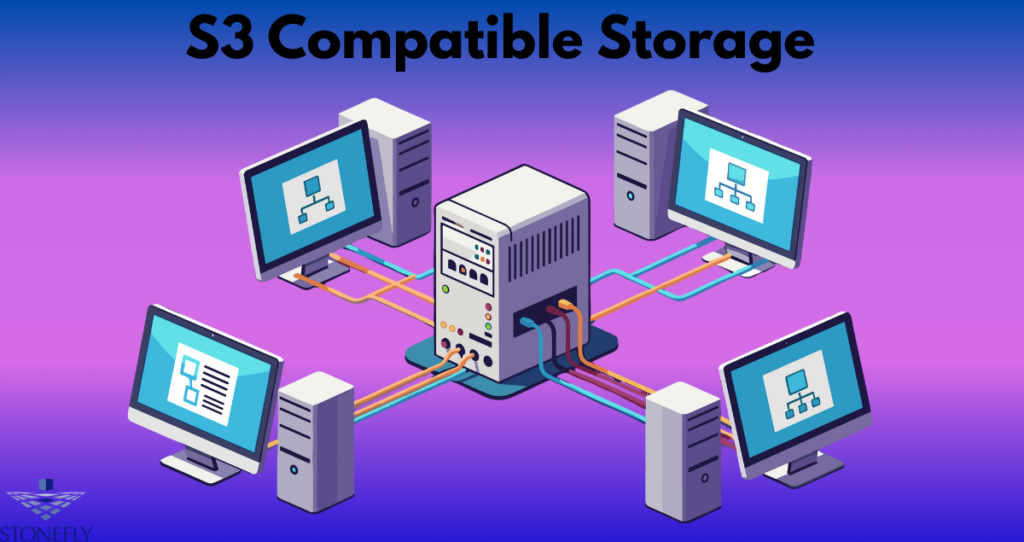
Strengthening Digital Resilience with Intelligent Storage Planning
Organizations generate and manage enormous amounts of digital information every day. Customer records, financial documents, operational files, and business applications all require dependable protection to ensure uninterrupted operations. As cyber threats become more advanced and data volumes continue to grow, businesses must adopt storage strategies that prioritize both accessibility and recovery. S3 Compatible Local Storage offers a practical solution for organizations seeking reliable, scalable, and secure storage that supports modern data protection requirements. By implementing S3 Compatible Local Storage businesses can improve operational efficiency while building a stronger foundation for long-term resilience.
The Growing Importance of Modern Storage Infrastructure
Today’s organizations depend on data to support nearly every business function. Whether running daily operations or making strategic decisions, reliable access to information has become essential.
Traditional storage methods often struggle to keep pace with increasing capacity requirements, evolving security threats, and expanding compliance obligations. Modern storage planning requires flexibility, scalability, and dependable recovery capabilities.
Challenges Facing Modern Organizations
Businesses commonly experience challenges such as:
- Rapid data growth
- Increasing cybersecurity risks
- Rising storage costs
- Regulatory compliance requirements
- Hardware failures
- Data management complexity
Addressing these challenges requires a well-designed storage strategy that balances performance, security, and future scalability.
Building a Scalable Storage Architecture
An effective storage architecture should support both current operations and future business expansion.
Organizations should evaluate infrastructure based on:
- Capacity planning
- Performance requirements
- Reliability
- Data availability
- Expansion flexibility
- Administrative simplicity
A scalable architecture minimizes disruptions while supporting long-term organizational growth.
Planning for Future Capacity
Storage needs rarely remain static.
Organizations should regularly assess:
- Annual data growth
- Application requirements
- Backup retention policies
- Archive needs
- Business expansion plans
Proactive planning helps prevent capacity shortages and costly infrastructure upgrades.
Improving Data Availability
Business operations depend on continuous access to critical information.
Reliable storage infrastructure should provide:
- High availability
- Consistent performance
- Fast retrieval
- Data integrity
- Reliable recovery capabilities
Maintaining dependable availability reduces operational interruptions and improves customer satisfaction.
Minimizing Downtime
Organizations can reduce downtime by:
- Implementing redundant storage
- Monitoring infrastructure health
- Performing regular maintenance
- Testing recovery procedures
- Updating operational documentation
These practices contribute to more resilient business operations.
Enhancing Security Across Storage Environments
Protecting stored information requires multiple security controls working together.
Organizations should implement:
Strong Access Controls
Only authorized personnel should have access to critical storage resources.
Data Encryption
Encryption protects sensitive information during storage and transfer.
Activity Monitoring
Continuous monitoring helps identify suspicious behavior before significant damage occurs.
Regular Security Reviews
Periodic assessments ensure security policies remain effective against evolving threats.
Layering these controls strengthens overall storage security.
Simplifying Data Management
Managing growing volumes of information becomes increasingly complex without structured processes.
Organizations should establish policies for:
- File organization
- Data classification
- Retention schedules
- Archive management
- Storage optimization
Well-defined management practices improve operational efficiency while reducing unnecessary storage consumption.
Lifecycle Management
Effective lifecycle management includes:
- Identifying active data
- Archiving infrequently used information
- Removing obsolete files
- Reviewing retention requirements
- Monitoring storage utilization
This approach keeps storage environments organized and cost-effective.
Supporting Business Continuity
Business continuity depends on reliable access to information before, during, and after unexpected disruptions.
Organizations should develop recovery strategies that include:
- Clearly defined recovery objectives
- Scheduled backup operations
- Recovery testing
- Incident response procedures
- Communication plans
Preparation enables faster restoration and minimizes business interruptions.
Recovery Readiness
Routine recovery testing helps organizations:
- Verify data integrity
- Measure recovery performance
- Validate documentation
- Identify process improvements
- Increase staff preparedness
Testing ensures recovery procedures remain effective under real-world conditions.
Meeting Compliance Requirements
Many industries require organizations to maintain secure storage and demonstrate recoverability of important information.
A comprehensive storage strategy supports compliance by providing:
- Controlled access
- Documented retention policies
- Recovery verification
- Audit readiness
- Secure record preservation
Proper governance reduces regulatory risk while strengthening operational accountability.
Optimizing Operational Efficiency
Efficient storage infrastructure benefits both technical teams and business operations.
Organizations can improve efficiency by:
- Automating repetitive tasks
- Monitoring storage performance
- Optimizing resource allocation
- Reviewing capacity trends
- Standardizing administrative procedures
Operational efficiency reduces maintenance effort while improving overall system reliability.
Continuous Infrastructure Improvement
Storage environments should evolve alongside changing business requirements.
Organizations should regularly review:
- Infrastructure performance
- Capacity utilization
- Security controls
- Recovery capabilities
- Technology advancements
Continuous evaluation helps maintain reliable, high-performing storage systems.
Best Practices for Long-Term Storage Success
Organizations seeking dependable storage performance should follow several proven recommendations.
Plan for Growth
Design infrastructure that accommodates future expansion without major disruptions.
Automate Routine Operations
Automation improves consistency while reducing administrative workload.
Monitor Performance Continuously
Ongoing monitoring identifies issues before they impact business operations.
Test Recovery Procedures
Regular testing validates recovery readiness and improves organizational confidence.
Maintain Clear Documentation
Accurate documentation supports efficient management and faster problem resolution.
When integrated into these best practices, S3 Local Compatible Storage provides organizations with a flexible and dependable platform that supports secure data management, reliable recovery, and long-term business resilience.
Conclusion
Modern businesses require storage strategies that extend beyond simple capacity expansion. Scalability, security, operational efficiency, and recovery readiness all play essential roles in protecting valuable information. By combining proactive planning, structured data management, continuous monitoring, and resilient infrastructure, organizations can prepare for future growth while minimizing operational risks. Implementing S3 Local Compatible Storage as part of a comprehensive storage strategy enables businesses to strengthen data protection and maintain confidence in their ability to recover from unexpected challenges.
FAQs
1. Why is scalable storage important for growing businesses?
Scalable storage allows organizations to accommodate increasing data volumes without replacing existing infrastructure or disrupting operations.
2. How does lifecycle management improve storage efficiency?
Lifecycle management organizes data based on usage and retention requirements, reducing unnecessary storage consumption while improving accessibility.
3. Why should organizations monitor storage performance continuously?
Continuous monitoring helps detect capacity issues, hardware problems, and performance bottlenecks before they affect business operations.
4. What factors should businesses consider when selecting storage infrastructure?
Organizations should evaluate scalability, reliability, security, performance, manageability, and long-term operational costs.
5. How does documentation contribute to effective storage management?
Well-maintained documentation simplifies administration, supports troubleshooting, improves recovery efforts, and helps maintain compliance with organizational policies.