Technology is changing the way industries work, and one of the most important innovations in recent years is the use of drones. These small flying devices, once used mainly for military purposes or hobby photography, are now widely used across many professional fields. Today, drone services have become an essential part of business operations, data collection, inspection work, and even emergency response.
Drone technology allows users to capture aerial images, collect accurate data, inspect difficult areas, and complete tasks faster and more safely than traditional methods. Because of these advantages, the demand for drone-based solutions has grown rapidly.
Understanding where drone services are most commonly used helps us see how important they have become in modern industries. From construction sites to agricultural fields, drones are now part of everyday professional operations.
This article explores the main industries and areas where drone services are widely used and explains how they are making work more efficient, safe, and accurate.
Understanding Drone Services and Their Growing Importance
Before looking at specific industries, it is important to understand what drone services are and why they matter in today’s world.
What Are Drone Services?
Drone services refer to professional tasks performed using unmanned aerial vehicles. These drones are operated remotely and equipped with advanced tools such as cameras, sensors, and mapping systems.
Drone services can include:
- Aerial photography and videography
- Land surveying and mapping
- Infrastructure inspection
- Agricultural monitoring
- Security surveillance
- Data collection and analysis
These services allow professionals to access areas that are difficult, dangerous, or time-consuming to reach manually.
Why Drone Services Are Becoming Popular
Drone services are growing in popularity because they offer several important benefits:
- Faster data collection
- Lower operational costs
- Improved safety
- High accuracy
- Ability to reach difficult locations
These advantages make drones a valuable tool in many industries.
How Drone Technology Works in Simple Terms
A drone is controlled remotely using a controller or software system. It flies over an area while collecting images or data using its onboard equipment.
The information is then:
- Stored digitally
- Processed using software
- Used for decision-making or analysis
This process helps businesses and professionals work more efficiently.
Evolution of Drone Usage
In the past, drones were mainly used for military and recreational purposes. However, advancements in technology have expanded their use into commercial and industrial fields.
Today, drone services are used in:
- Construction
- Agriculture
- Energy
- Security
- Media production
This evolution shows how important drones have become in modern industries.
Where Drone Services Are Most Commonly Used Today
Drone services are now used in many industries around the world. Each industry uses drones in different ways depending on its needs and challenges.
Construction and Infrastructure Projects
One of the most common uses of drone services is in the construction industry.
Construction sites often cover large areas and involve complex structures. Drones help by providing:
- Aerial site surveys
- Construction progress monitoring
- 3D mapping of project areas
- Safety inspections
Drones allow construction teams to track progress in real time without needing to physically inspect every area.
This improves:
- Project planning
- Worker safety
- Time management
- Cost efficiency
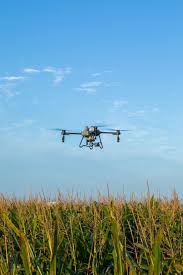
Agriculture and Farming
Agriculture is another major area where drone services are widely used.
Farmers use drones to monitor crops and improve productivity.
Drone services in agriculture include:
- Crop health monitoring
- Soil analysis
- Irrigation planning
- Pest detection
By using drones, farmers can quickly identify problem areas in large fields and take action before crops are damaged.
This leads to:
- Higher crop yields
- Reduced waste
- Better resource management
Land Surveying and Mapping
Surveying large areas of land used to be time-consuming and labor-intensive. Drone services have made this process much faster and more accurate.
Drones are used for:
- Topographic mapping
- Land measurement
- Boundary identification
- Urban planning
Surveyors can collect detailed data in a fraction of the time compared to traditional methods.
This helps in:
- Real estate development
- Infrastructure planning
- Environmental studies
Energy and Utility Inspections
Energy companies rely heavily on drone services for inspecting infrastructure.
Drones are used to inspect:
- Power lines
- Wind turbines
- Solar panels
- Oil and gas facilities
These structures are often located in dangerous or hard-to-reach areas.
Using drones improves:
- Worker safety
- Inspection speed
- Maintenance planning
It also reduces the need for shutting down systems during inspections.
Security and Surveillance
Security is another important area where drone services are widely used.
Drones provide real-time aerial surveillance for:
- Large events
- Industrial sites
- Public areas
- Border security
Security teams use drones to monitor activity from above, which helps detect potential threats more quickly.
Benefits include:
- Wider coverage area
- Faster response time
- Reduced manpower requirements
Media and Entertainment
Drone services have transformed photography and videography in the media industry.
They are commonly used for:
- Film production
- Event coverage
- Advertising content
- Sports broadcasting
Drones capture high-quality aerial footage that was previously expensive or impossible to obtain.
This has made visual content more dynamic and engaging.
Environmental Monitoring and Conservation
Environmental organizations use drone services to study and protect natural resources.
Drones help with:
- Wildlife tracking
- Forest monitoring
- Pollution detection
- Disaster assessment
They provide valuable data without disturbing natural habitats.
This supports:
- Conservation efforts
- Climate research
- Environmental protection
Emergency Response and Disaster Management
During emergencies, drone services play a critical role in providing quick information.
They are used after:
- Natural disasters
- Floods
- Earthquakes
- Fires
Drones help emergency teams by:
- Assessing damage
- Locating survivors
- Mapping affected areas
- Supporting rescue operations
This improves response time and saves lives.
Real Estate and Property Development
The real estate industry uses drone services to showcase properties and plan developments.
Drones are used for:
- Aerial property photography
- Site visualization
- Land development planning
- Marketing materials
This helps buyers and developers better understand properties from a top-down perspective.
Mining and Resource Extraction
Mining operations often take place in large and difficult environments.
Drone services help with:
- Site mapping
- Volume measurement
- Safety inspections
- Equipment monitoring
This improves efficiency and reduces risk in mining operations.
Transportation and Infrastructure Monitoring
Drones are also used to monitor transportation systems such as:
- Roads
- Bridges
- Railways
They help identify damage, track construction progress, and ensure safety standards are met.
Insurance and Risk Assessment
Insurance companies use drone services to assess damage after accidents or natural disasters.
Drones help by:
- Capturing property damage
- Documenting evidence
- Speeding up claim processing
This makes the insurance process faster and more accurate.
Telecommunications Industry
Telecommunication companies use drones to inspect towers and network infrastructure.
They help with:
- Tower inspections
- Signal coverage analysis
- Maintenance planning
This reduces the need for manual climbing inspections.
Public Safety and Law Enforcement
Law enforcement agencies use drones for:
- Crowd monitoring
- Traffic control
- Crime scene analysis
- Search and rescue operations
Drones provide a safe and efficient way to gather information from above.
Advantages of Drone Services Across All Industries
Despite differences in usage, drone services offer shared benefits across all industries:
Improved Efficiency
Drones complete tasks faster than traditional methods.
Enhanced Safety
They reduce the need for humans to enter dangerous areas.
Cost Savings
Less manpower and equipment are required.
Better Data Accuracy
High-quality sensors provide precise information.
Flexibility
Drones can be used in many environments and conditions.
Conclusion
Drone services have become an essential part of modern industries due to their ability to improve efficiency, safety, and accuracy. Today, they are commonly used in construction, agriculture, surveying, energy, security, media, environmental monitoring, and emergency response.