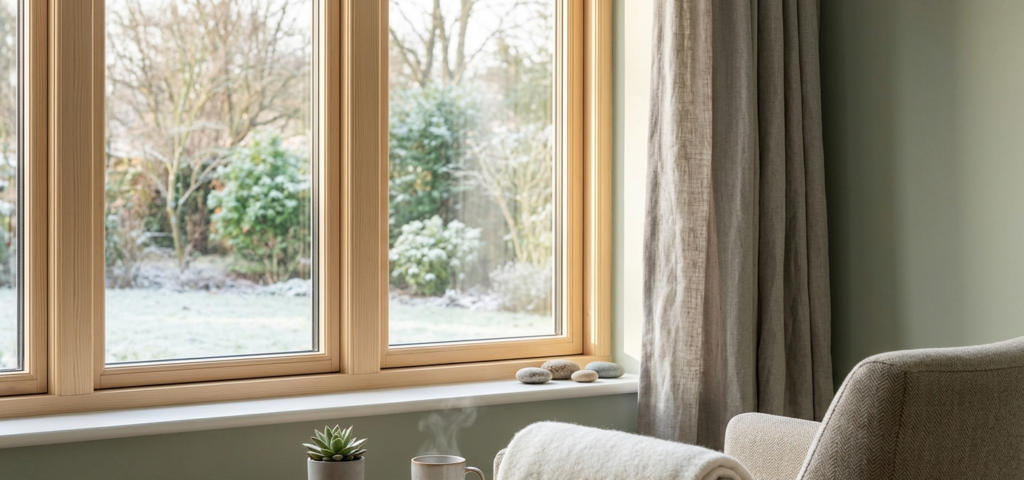
Windows are essential to any home—they bring in natural light, offer ventilation, and connect indoor spaces with the outdoors. But when they’re not performing efficiently, they can quickly become a major source of discomfort. Drafts can make rooms feel colder than they should, outside noise can disrupt your peace, and condensation can lead to long-term damage if left untreated.
Many homeowners struggle with these issues, especially in regions with extreme seasonal changes. The good news is that reducing drafts, noise, and condensation around windows is entirely achievable with the right strategies and upgrades. This guide explores practical, cost-effective, and long-term solutions to help you improve your home’s comfort and efficiency.
Understanding the Root Causes
Before diving into solutions, it’s important to understand why these issues occur in the first place.
Drafts
Drafts typically result from gaps or leaks around window frames. These can occur due to aging seals, poor installation, or low-quality window materials. Even small openings can allow cold air to seep in and warm air to escape.
Noise
External noise enters through windows when there’s insufficient insulation. Single-pane glass, thin frames, and poorly sealed edges are the most common culprits.
Condensation
Condensation forms when warm indoor air meets a cold window surface. This is especially common in colder climates and often indicates poor insulation or excessive indoor humidity.
Why Addressing These Issues Matters
Ignoring window-related problems doesn’t just affect comfort—it can also lead to:
- Higher energy bills due to heat loss
- Mold and mildew growth from persistent condensation
- Reduced indoor air quality
- Increased wear and tear on HVAC systems
- Lower property value over time
By tackling these problems, homeowners can create a healthier, quieter, and more energy-efficient living environment.
Step 1: Seal Air Leaks and Eliminate Drafts
Inspect Your Windows
Start by checking for visible gaps or cracks around your window frames. On a windy day, you may even feel air movement near problem areas.
Apply Weatherstripping
Weatherstripping is one of the simplest and most affordable ways to seal leaks. It can be applied along the edges of window sashes to prevent air infiltration.
Use Caulking
For permanent sealing, apply caulk to any cracks between the window frame and the wall. This is especially useful for older homes where materials may have shifted over time.
Install Window Insulation Film
Transparent insulation film can be applied over windows to create an additional barrier against drafts. While not a permanent fix, it’s a quick and effective seasonal solution.
Step 2: Upgrade Your Window Insulation
Double or Triple Glazing
Replacing single-pane windows with double or triple-glazed units significantly improves insulation. These windows contain layers of glass separated by air or gas-filled spaces that reduce heat transfer.
Secondary Glazing Systems
If replacing windows isn’t feasible, secondary glazing offers an excellent alternative. It involves adding an additional pane inside the existing window, creating a thermal and acoustic barrier.
Homeowners looking for high-performance solutions often explore options like improving window insulation with advanced glazing systems, which can dramatically reduce heat loss and enhance comfort.
Step 3: Reduce External Noise
Use Heavy Curtains or Drapes
Thick, lined curtains can absorb sound and reduce the amount of noise entering through windows. They also add an extra layer of insulation.
Install Acoustic Panels
While typically used in studios, acoustic panels can also be placed near windows to minimize noise reflection and transmission.
Upgrade to Laminated Glass
Laminated glass is designed to dampen sound vibrations. It’s particularly useful in homes located near busy streets or urban areas.
Add Secondary Glazing for Soundproofing
Secondary glazing doesn’t just improve insulation—it also creates a buffer zone that significantly reduces noise pollution.
Step 4: Control Condensation Effectively
Improve Ventilation
Proper airflow helps regulate indoor humidity levels. Use exhaust fans in kitchens and bathrooms, and consider opening windows periodically to allow fresh air circulation.
Use a Dehumidifier
A dehumidifier can help maintain optimal indoor humidity levels, reducing the likelihood of condensation forming on windows.
Maintain Consistent Indoor Temperature
Sudden temperature changes can increase condensation. Keeping your home at a stable temperature minimizes this risk.
Upgrade Window Glass
Energy-efficient glazing keeps the inner pane warmer, reducing the temperature difference that causes condensation.
Step 5: Consider Long-Term Window Solutions
While temporary fixes can help, long-term solutions provide lasting benefits.
Retrofitting Existing Windows
Instead of full replacement, retrofitting allows homeowners to upgrade performance without removing existing frames. This approach is cost-effective and less disruptive.
Magnetic Glazing Systems
Innovative solutions like magnetic secondary glazing systems are gaining popularity for their ease of installation and effectiveness. These systems can be removed or adjusted as needed, making them ideal for both permanent and temporary use.
For those researching reliable options, innovative window retrofit solutions from Magnetite Canada are often discussed as a practical way to enhance insulation, reduce noise, and prevent condensation without full window replacement.
Step 6: Improve Window Frame Performance
Choose the Right Materials
Different frame materials offer varying levels of insulation:
- Vinyl: Affordable and energy-efficient
- Wood: Excellent insulation but requires maintenance
- Aluminum: Durable but less insulating unless thermally broken
Repair or Replace Damaged Frames
Warped or damaged frames can compromise the effectiveness of any insulation efforts. Repairing or replacing them ensures a proper seal.
Step 7: Use Smart Window Coverings
Cellular Shades
These shades trap air in honeycomb-shaped pockets, providing excellent insulation and noise reduction.
Thermal Blinds
Designed specifically for energy efficiency, thermal blinds can help maintain indoor temperatures and reduce drafts.
Layered Window Treatments
Combining blinds with curtains creates multiple barriers against heat loss and noise.
Step 8: Seasonal Maintenance Tips
Winter
- Check seals and weatherstripping before temperatures drop
- Use insulation film for added protection
- Keep humidity levels in check to avoid condensation
Summer
- Inspect for any damage caused during winter
- Clean window tracks and frames
- Ensure proper ventilation to prevent moisture buildup
Step 9: DIY vs Professional Solutions
When DIY Works
- Minor drafts and small gaps
- Temporary insulation needs
- Basic condensation control
When to Call Professionals
- Persistent condensation issues
- Significant noise problems
- Structural damage or poor installation
- Upgrading to advanced glazing systems
Professional solutions often provide better long-term results, especially when dealing with multiple issues simultaneously.
Step 10: Energy Efficiency and Cost Savings
Improving your windows isn’t just about comfort—it’s also a smart financial decision.
Lower Energy Bills
Proper insulation reduces the need for heating and cooling, leading to significant savings over time.
Increased Property Value
Energy-efficient homes are more attractive to buyers and can command higher prices.
Environmental Benefits
Reducing energy consumption lowers your carbon footprint, contributing to a more sustainable future.
Common Mistakes to Avoid
- Ignoring small drafts that worsen over time
- Using low-quality sealing materials
- Overlooking ventilation when addressing condensation
- Choosing solutions that don’t address the root cause
- Delaying upgrades that could save money in the long run
Final Thoughts
Drafts, noise, and condensation around windows are common challenges, but they don’t have to be permanent problems. With the right combination of quick fixes and long-term upgrades, homeowners can dramatically improve their indoor comfort and energy efficiency.
From simple weatherstripping to advanced glazing systems, there’s a solution for every budget and need. The key is to identify the underlying causes and choose the most effective approach.
As more homeowners seek smarter and more sustainable ways to improve their living spaces, window performance has become a top priority. Exploring modern solutions and trusted providers can make all the difference in achieving lasting results.
By taking proactive steps today, you can create a quieter, warmer, and healthier home environment—one window at a time.