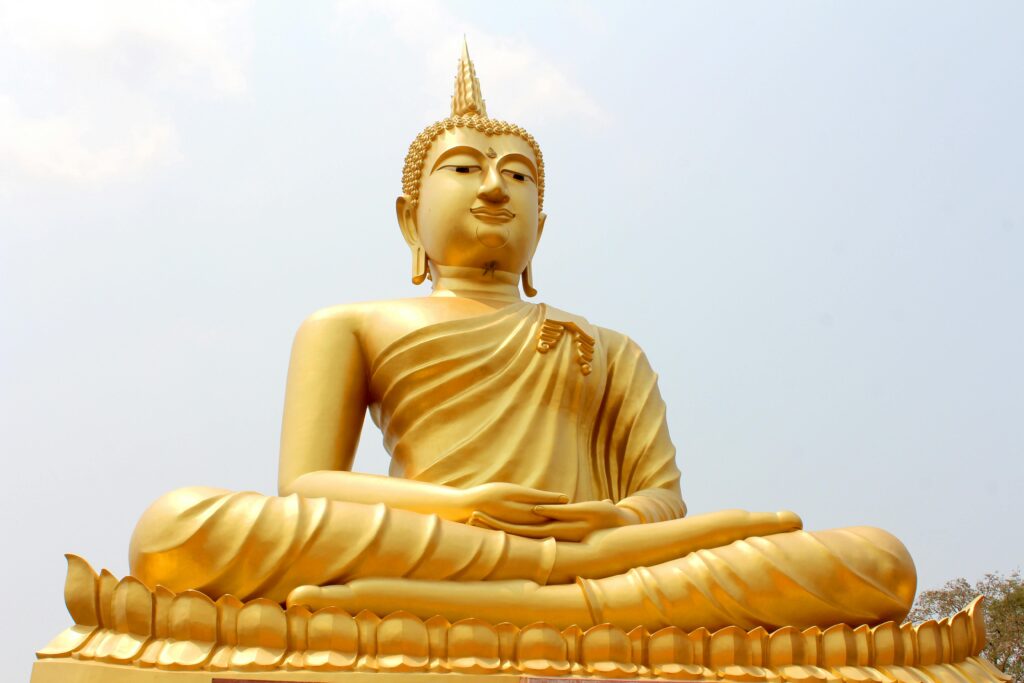
India is a land of spirituality, culture, and history, and Buddhism has been one of its most influential traditions. Buddhist Monasteries in India are not only places of worship but also centers of learning, meditation, and cultural preservation. These monasteries attract pilgrims, scholars, and travelers from across the globe, offering a glimpse into the teachings of Lord Buddha and the rich heritage of Buddhist architecture and philosophy.
🌍 The Significance of Buddhist Monasteries in India
Buddhist monasteries hold immense importance in India’s spiritual and cultural landscape. They are more than religious institutions—they are living centers of wisdom and community.
- Spiritual Centers: Monasteries provide spaces for meditation, prayer, and reflection.
- Cultural Heritage: Ancient monasteries preserve art, manuscripts, and traditions.
- Educational Hubs: Historically, monasteries like Nalanda were centers of Buddhist learning.
- Tourism Growth: Monasteries attract international visitors, boosting India’s spiritual tourism.
These monasteries embody the essence of Buddhism—peace, compassion, and mindfulness.
🕉️ Famous Buddhist Monasteries in India
1. Mahabodhi Monastery (Bodh Gaya, Bihar)
- Located near the Mahabodhi Temple, where Buddha attained enlightenment.
- Houses monks from different countries, making it a global spiritual hub.
- Offers meditation programs and teachings for visitors.
2. Tawang Monastery (Arunachal Pradesh)
- Largest monastery in India and second largest in the world.
- Founded in the 17th century, it follows the Gelug school of Tibetan Buddhism.
- Known for its stunning Himalayan setting and rich collection of scriptures.
3. Namdroling Monastery (Bylakuppe, Karnataka)
- Popularly known as the Golden Temple.
- Home to thousands of monks and nuns.
- Famous for its golden statues of Buddha and vibrant Tibetan architecture.
4. Rumtek Monastery (Sikkim)
- Seat of the Karmapa, head of the Karma Kagyu lineage.
- Known for its intricate murals, thangkas, and rituals.
- Attracts pilgrims and tourists for its spiritual atmosphere.
5. Hemis Monastery (Ladakh)
- Famous for the annual Hemis Festival celebrating Guru Padmasambhava.
- Known for its masked dances and cultural performances.
- Houses rare Buddhist relics and manuscripts.
6. Thiksey Monastery (Ladakh)
- Resembles the Potala Palace of Tibet.
- Famous for its 12-story complex and giant statue of Maitreya Buddha.
- Offers panoramic views of the Indus Valley.
7. Mindrolling Monastery (Dehradun, Uttarakhand)
- One of the largest Buddhist centers in India.
- Known for its 60-meter-high stupa and peaceful gardens.
- Offers teachings in Buddhist philosophy and meditation.
8. Ghoom Monastery (Darjeeling, West Bengal)
- One of the oldest monasteries in Darjeeling.
- Famous for its 15-foot-high statue of Maitreya Buddha.
- Houses rare manuscripts and Tibetan texts.
These monasteries highlight the diversity of Buddhist Monasteries in India, blending spirituality with cultural richness.
🌱 Cultural and Spiritual Experiences
Visiting Buddhist monasteries in India is not just about sightseeing—it is about immersing oneself in spirituality and culture.
- Meditation Retreats: Many monasteries offer guided meditation programs.
- Festivals: Events like Hemis Festival and Losar bring monasteries alive with music and dance.
- Monastic Life: Visitors can observe monks’ daily routines and rituals.
- Architecture: Intricate murals, stupas, and statues showcase Buddhist art.
These experiences make monastery visits deeply enriching and transformative.
🧭 Benefits of Visiting Buddhist Monasteries
- Spiritual Growth: Meditation and teachings help visitors find inner peace.
- Cultural Learning: Monasteries preserve centuries-old traditions and art.
- Tourism Development: Boosts local economies and hospitality.
- Community Bonding: Encourages interaction between monks, devotees, and tourists.
Monasteries are both spiritual sanctuaries and cultural treasures.
🏞️ Challenges in Preserving Monasteries
Despite their importance, Buddhist monasteries face challenges:
- Infrastructure Needs: Remote monasteries require better connectivity.
- Preservation Issues: Ancient murals and manuscripts need conservation.
- Tourism Pressure: Overcrowding can disturb monastic life.
- Climate Concerns: Himalayan monasteries face risks from harsh weather.
Addressing these challenges is crucial for sustainable monastery tourism.
🔮 Future of Buddhist Monasteries in India
The future of Buddhist monasteries looks promising with growing interest in spiritual tourism:
- Digital Outreach: Online teachings and virtual monastery tours.
- Eco-Friendly Practices: Sustainable tourism initiatives.
- Global Collaboration: Monasteries partnering with international Buddhist centers.
- Wellness Tourism: Combining meditation, yoga, and Ayurveda with monastery visits.
- Youth Engagement: Encouraging younger generations to explore Buddhist heritage.
India is positioning itself as a global hub for Buddhist monastery tourism.
✨ Conclusion
Buddhist Monasteries in India are not just places of worship—they are journeys into spirituality, culture, and history. From Bodh Gaya’s Mahabodhi Monastery to Tawang in Arunachal Pradesh, from Rumtek in Sikkim to Hemis in Ladakh, each monastery tells a story of devotion, wisdom, and resilience. These monasteries attract pilgrims, scholars, and travelers who seek peace, knowledge, and cultural immersion.
India’s Buddhist monasteries are timeless, and as more travelers seek meaningful experiences, they will continue to flourish as centers of faith, compassion, and unity.